Introduction
Sleep is a cornerstone of good health. Yet, millions struggle with poor sleep quality, insomnia, or restless nights. One natural solution gaining attention is magnesium for sleep. This essential mineral plays a vital role in supporting relaxation, regulating the nervous system, and improving sleep patterns. In this guide, we’ll explore how magnesium affects sleep, signs of deficiency, sources, supplements, and tips for incorporating it into your nightly routine.
Introduction to Magnesium and Sleep

Why Sleep is Essential for Health
Sleep is not just about rest—it’s about repair. Quality sleep helps regulate hormones, improve cognitive function, strengthen immunity, and support mental health. Lack of sleep can lead to fatigue, irritability, and chronic health issues such as heart disease and diabetes.
The Role of Minerals in Sleep Quality
Minerals like magnesium, calcium, and potassium influence how well our bodies relax and maintain sleep cycles. Magnesium, in particular, acts as a natural relaxant for the nervous system and muscles, making it an important mineral for restful sleep.
How Magnesium Supports Restful Sleep
Magnesium regulates neurotransmitters that calm the brain and nerves. It also affects melatonin, the hormone responsible for sleep-wake cycles. By promoting relaxation, magnesium helps reduce the time it takes to fall asleep and enhances sleep quality.
Understanding Magnesium
What is Magnesium?
Magnesium is a vital mineral found in every cell of the human body. It participates in over 300 biochemical reactions, including energy production, protein synthesis, and nerve function.
Types of Magnesium Supplements
-
Magnesium Citrate: Easily absorbed, commonly used for sleep support.
-
Magnesium Glycinate: Gentle on the stomach and highly bioavailable.
-
Magnesium Oxide: Often used for digestive issues, less effective for sleep.
-
Magnesium Malate: Supports energy production and muscle relaxation.
Recommended Daily Intake for Adults
The daily requirement varies by age and gender, but adults typically need 310–420 mg per day. Many people do not meet this requirement through diet alone, making supplementation beneficial for sleep support.
How Magnesium Affects Sleep
Magnesium and the Nervous System
Magnesium helps regulate neurotransmitters, including GABA (gamma-aminobutyric acid), which slows brain activity and promotes relaxation. Low magnesium can lead to overactive nerves and difficulty falling asleep.
Magnesium’s Role in Melatonin Production
Melatonin is the sleep hormone that signals the body to rest. Magnesium assists in regulating melatonin production, helping maintain a consistent sleep-wake cycle.
Reducing Stress and Anxiety with Magnesium
Magnesium has natural calming effects. It reduces cortisol, the stress hormone, helping the mind and body transition smoothly into sleep. This is particularly useful for people who experience anxiety-related insomnia.
Signs You Might Need More Magnesium
Sleep Disturbances and Insomnia
Difficulty falling asleep, frequent waking, or restless nights may indicate magnesium deficiency.
Muscle Cramps and Restless Legs
Magnesium is crucial for muscle relaxation. Nighttime cramps or restless legs can signal low magnesium levels.
Fatigue, Irritability, and Other Symptoms
Chronic tiredness, mood swings, headaches, and irritability are also common signs of magnesium deficiency.
Best Sources of Magnesium for Sleep
Magnesium-Rich Foods
| Food Source | Magnesium Content (mg per serving) |
|---|---|
| Spinach (1 cup cooked) | 157 mg |
| Almonds (1 oz) | 80 mg |
| Pumpkin Seeds (1 oz) | 150 mg |
| Black Beans (1 cup) | 120 mg |
| Avocado (1 medium) | 58 mg |
| Dark Chocolate (1 oz) | 64 mg |
| Bananas (1 medium) | 32 mg |
Magnesium Supplements for Better Sleep
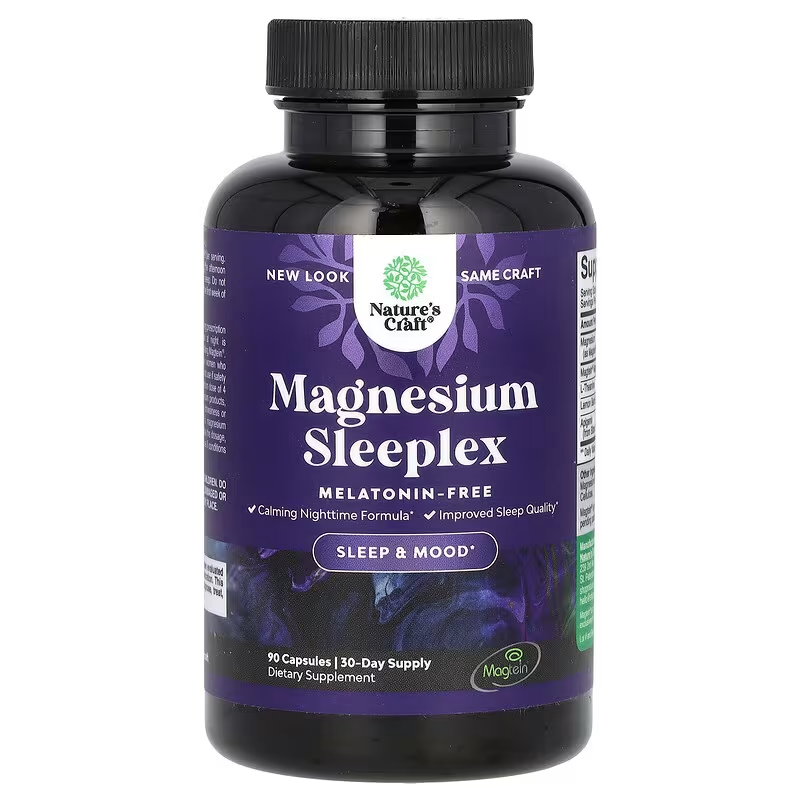
Supplements are ideal if dietary intake is insufficient. Magnesium citrate and glycinate are preferred for sleep support due to high absorption and calming effects.
Magnesium-Infused Beverages and Recipes
-
Warm magnesium-rich almond milk before bedtime.
-
Herbal teas combined with magnesium citrate powder can enhance relaxation.
-
Smoothies with spinach, avocado, and banana provide natural magnesium plus fiber and antioxidants.
How to Use Magnesium for Better Sleep

Timing Your Magnesium Intake
Taking magnesium 30–60 minutes before bed is recommended. This allows the mineral to begin relaxing the nervous system and muscles.
Dosage Guidelines for Sleep Support
-
Adults: 200–400 mg at night
-
Older adults or those with digestive issues may require lower doses initially.
Combining Magnesium with Other Sleep Practices
-
Maintain a consistent sleep schedule.
-
Avoid screens and bright lights before bed.
-
Practice relaxation techniques such as meditation or deep breathing.
Safety and Precautions
Possible Side Effects of Magnesium Supplements
High doses may cause diarrhea, nausea, or abdominal cramps. Start with a lower dose and adjust gradually.
Magnesium Interactions with Medications
Magnesium can interact with certain antibiotics, diuretics, and medications for heart disease. Always consult a healthcare professional before starting supplements.
When to Consult a Healthcare Professional
If insomnia persists despite magnesium intake, or if you have chronic health conditions, it’s best to seek medical advice.
Real-Life Benefits of Magnesium for Sleep
Improved Sleep Duration and Quality
Studies show magnesium supplementation can increase total sleep time, decrease nighttime awakenings, and improve overall sleep efficiency.
Reduced Nighttime Restlessness
Magnesium helps calm restless legs and muscle twitches that disrupt sleep.
Supporting Overall Health and Recovery
Beyond sleep, magnesium supports heart health, bone density, mood regulation, and metabolic function, making it a cornerstone of wellness.
Conclusion
Key Takeaways on Magnesium and Sleep
-
Magnesium is essential for relaxation, melatonin regulation, and nervous system balance.
-
Signs of deficiency include poor sleep, cramps, fatigue, and irritability.
-
Both dietary sources and supplements can help improve sleep quality.
Final Tips for Incorporating Magnesium into Your Routine
-
Include magnesium-rich foods in your diet daily.
-
Consider supplements like magnesium glycinate or citrate for sleep support.
-
Pair magnesium intake with healthy sleep habits for maximum benefit.
By understanding and utilizing magnesium for sleep, you can naturally enhance your rest, reduce insomnia, and support overall health. Start today and wake up feeling more refreshed and energized tomorrow.
Read More:-How to Use the Chipotle Nutrition Calculator Guide