
Introduction
Diet Coke has become one of the most popular low-calorie beverages worldwide. Loved by millions for its unique taste and refreshing qualities, it is often the go-to drink for those who want to enjoy a fizzy beverage without the added sugar of regular cola. But how much do we really know about Diet Coke? From its origins to its health benefits and common myths, this ultimate guide covers everything you need to know.
History of Diet Coke

Launch and Early Years
Diet Coke was first introduced in 1982 as a sugar-free alternative to the classic Coca-Cola. The aim was to offer a beverage that retained the iconic taste but without the calories from sugar. Over the years, it quickly gained popularity among people seeking healthier drink options without sacrificing flavor.
Global Popularity and Market Growth
From the United States to Europe and Asia, Diet Coke became a global sensation. Its appeal grew thanks to extensive marketing campaigns, celebrity endorsements, and the rise of health-conscious consumers. Today, it is sold in over 200 countries and is considered one of the most successful diet beverages in history.
Nutritional Facts of Diet Coke
Understanding the nutritional content of Diet Coke is crucial for anyone looking to include it in their daily routine.
Ingredients Overview
The main ingredients of Diet Coke include carbonated water, caramel color, aspartame (artificial sweetener), phosphoric acid, caffeine, and natural flavors. Unlike regular soda, Diet Coke contains no sugar, making it a preferred choice for calorie-conscious individuals.
Calorie and Sugar Content
One of the biggest selling points of Diet Coke is its low-calorie nature. A standard 12-ounce can contains:
| Component | Amount per 12 oz can |
|---|---|
| Calories | 0 |
| Sugar | 0 g |
| Caffeine | 46 mg |
| Carbohydrates | 0 g |
This table shows why many people choose Diet Coke as a sugar-free alternative while still enjoying a fizzy, flavorful drink.
Comparison with Regular Coke
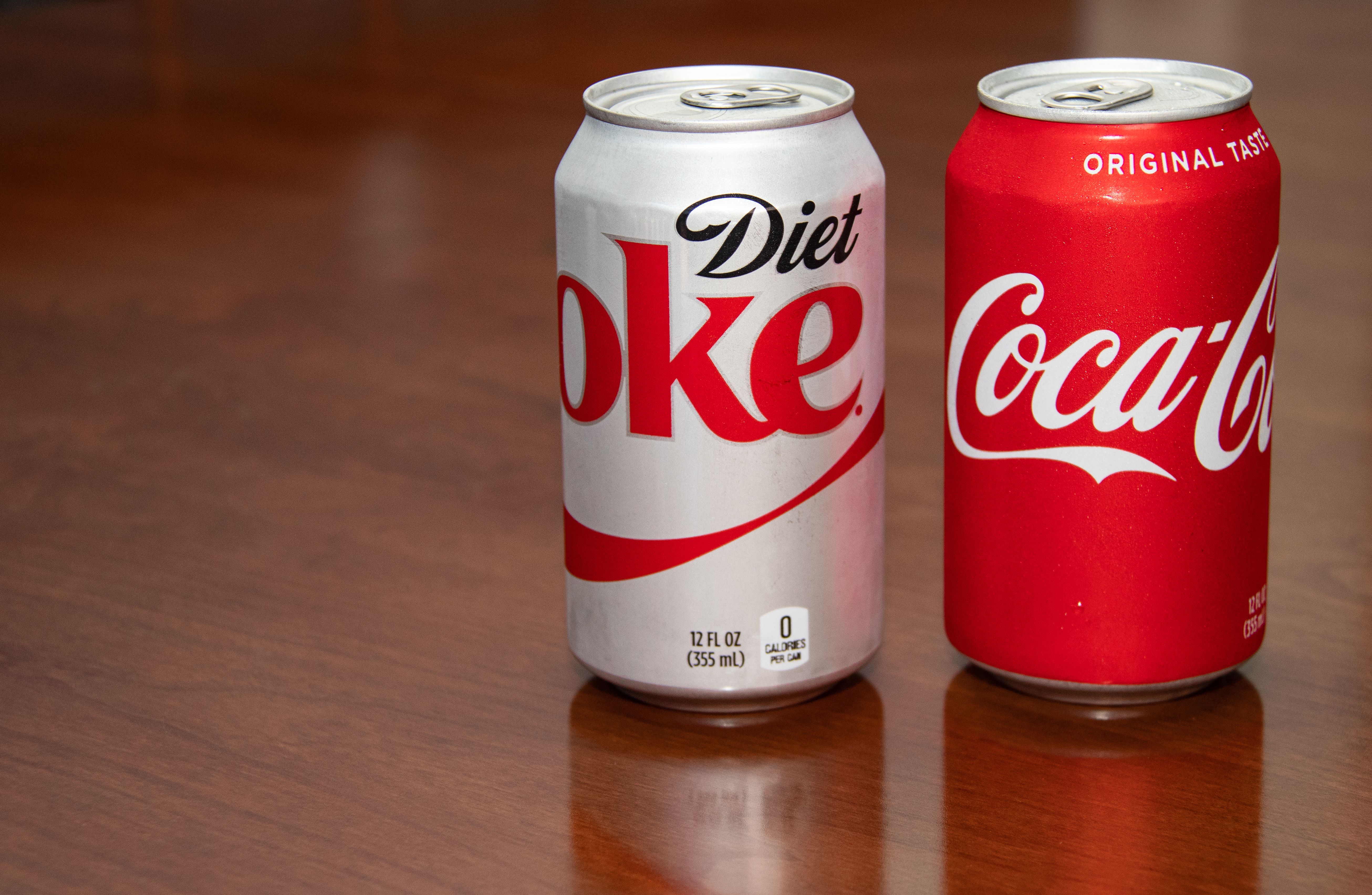
Unlike regular Coca-Cola, which contains about 140 calories and 39 grams of sugar per can, Diet Coke provides a guilt-free option with no sugar and virtually zero calories. This makes it particularly popular among those aiming for weight management.
Benefits of Diet Coke
While some people consume Diet Coke purely for taste, there are several benefits to including it in moderation.
Low-Calorie Alternative
Since Diet Coke contains zero calories, it is a great alternative for those who want to reduce calorie intake without giving up soda entirely.
Weight Management Support
While Diet Coke alone won’t cause weight loss, it can support a weight management plan by replacing higher-calorie beverages. Its zero-calorie content ensures that you can enjoy a fizzy drink without impacting your daily caloric intake significantly.
Caffeine Boost and Energy
Each can of Diet Coke contains approximately 46 mg of caffeine, providing a mild energy boost and helping improve alertness. This makes it a favorite among adults who want a caffeine pick-me-up without the sugar crash.
Common Myths About Diet Coke

Despite its popularity, Diet Coke has been surrounded by several myths. Let’s address some of the most common ones.
Diet Coke Causes Weight Gain
A widespread misconception is that Diet Coke leads to weight gain. In reality, it is calorie-free and sugar-free, so it does not directly contribute to weight gain. However, pairing it with high-calorie foods may offset its benefits.
Diet Coke is Bad for Teeth
Like any carbonated drink, Diet Coke is slightly acidic. While it is less damaging than sugary sodas, it is advisable to consume it in moderation and maintain good oral hygiene to protect your teeth.
Artificial Sweeteners and Health Risks
Aspartame, the primary sweetener in Diet Coke, has been extensively studied. Research shows that moderate consumption is safe for most people. Concerns about cancer or long-term health effects have not been conclusively proven.
How to Consume Diet Coke Safely

Recommended Daily Intake
Moderation is key. Experts suggest limiting Diet Coke to one or two cans per day to avoid excessive caffeine intake.
Combining with a Balanced Diet
While Diet Coke can be part of a healthy lifestyle, it should not replace water or nutrient-rich beverages. Pair it with a balanced diet for optimal health benefits.
Fun Facts and Trivia About Diet Coke
Unique Flavors and Variants
Over the years, Coca-Cola has introduced several variants of Diet Coke, including cherry, lime, and caffeine-free versions. These options allow fans to enjoy diverse flavors while sticking to a low-calorie drink.
Pop Culture References
Diet Coke has appeared in movies, TV shows, and celebrity endorsements. Its cultural influence is a testament to its enduring popularity and iconic brand status.
Conclusion
Diet Coke is more than just a sugar-free soda. It’s a beverage with a rich history, clear nutritional benefits, and a few myths that need debunking. When consumed in moderation, Diet Coke can be an enjoyable, low-calorie alternative that supports weight management and provides a mild caffeine boost. By understanding its facts, benefits, and myths, you can make informed choices and enjoy your favorite fizzy drink without guilt.
- “Discover the facts, benefits, and myths about Diet Coke in our ultimate guide.”
- “Learn how Diet Coke can be part of a balanced lifestyle without sugar.”
- “Diet Coke vs regular soda: calories, sugar, and health insights.”
Read More:-