St. George is not a sit-still kind of place. Residents hike before work, spend weekends on desert trails, golf through long sunny seasons, coach kids’ teams, ride bikes, lift at the gym, work physical jobs, and handle yard projects in dry heat that can wear the body down faster than expected.
That active rhythm is one reason back pain, neck stiffness, hip tightness, shoulder strain, and recurring joint discomfort can become more than minor annoyances. When movement is part of daily life, pain does not stay neatly in one corner. It changes how someone sleeps, drives, works, exercises, and shows up for family responsibilities.
Chiropractic care fits this setting because many people are not looking for a dramatic intervention. They want to move better, recover from strain, and stay consistent with the routines that keep them healthy.
Active Lives Create Repeated Stress on the Body
A single hike or workout rarely tells the whole story. More often, discomfort builds through repetition. A desk worker may sit for eight hours, then jump into a demanding pickleball match. A contractor may lift, bend, and climb all week, then spend Saturday hauling gear to a campsite. A retiree may walk daily but slowly develop stiffness from uneven desert paths.
St. George also brings seasonal triggers. Spring and fall often mean more outdoor recreation, longer walks, and home projects. Summer heat can change posture and movement as people fatigue faster, drink less water than they need, or shorten warmups to avoid the sun. Winter visitors and snowbirds may increase activity quickly after months of lower movement elsewhere.
The result is predictable: tight backs, irritated necks, sore knees, headaches linked to tension, or sharp discomfort after a movement that “should not have caused a problem.” Chiropractic care is often used in these situations to assess how the spine, joints, and surrounding muscles are functioning together.
Function Matters More Than Chasing Pain Alone
Pain gets attention, but function usually tells the deeper story. Can someone turn their head comfortably while driving on Bluff Street? Can they bend to load a cooler without bracing for pain? Can they finish a round of golf without their lower back tightening by the tenth hole? Can they sleep through the night without waking from hip or shoulder discomfort?
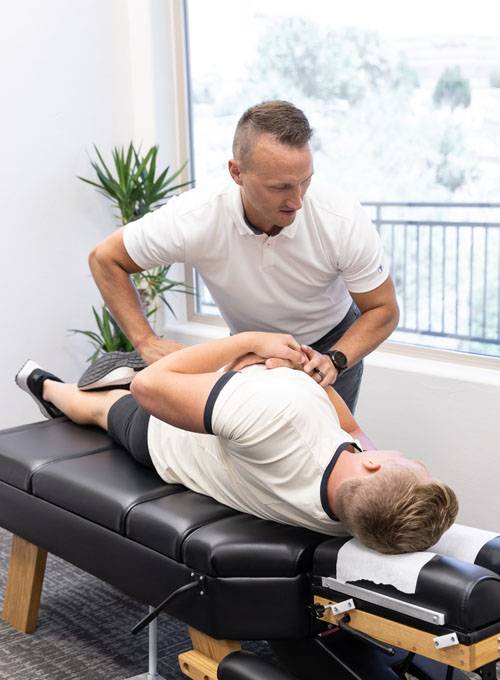
A practical chiropractic visit should look beyond the sore spot. The goal is to understand movement patterns, range of motion, posture, muscle tension, daily habits, and the activities a patient wants to keep doing. For someone searching for a chiropractor St George, local context matters because the care should match the way people in Southern Utah actually live.
That may include spinal adjustments, soft tissue work, mobility recommendations, stretching guidance, strengthening exercises, ergonomic suggestions, or referral for additional medical evaluation when symptoms call for it. Good care does not treat every patient the same. A mountain biker, a nurse, a golfer, and a small business owner who spends long hours at a computer may all need different plans.
Small Problems Can Become Expensive When Ignored
For active residents, the cost of untreated discomfort is not only medical. It can mean missed work, reduced productivity, canceled trips, poor sleep, fewer workouts, or needing help with tasks that used to be simple.
A stiff lower back may turn into days of lost income for someone in construction, landscaping, healthcare, retail, or hospitality. Neck pain can make computer work slower and driving less comfortable. Shoulder restriction can interfere with lifting, carrying groceries, or playing with children. Even mild recurring pain can cause people to move differently, which may place stress on other joints over time.
This is where timely care has value. Addressing symptoms early may help prevent compensation patterns from becoming harder to unwind. It also gives patients a clearer understanding of what is safe, what needs modification, and what warning signs should not be ignored.
Chiropractic Care Works Best With Daily Habits
An appointment can help, but daily choices matter too. Active St. George residents often benefit from simple, consistent habits that support spinal and joint health.
Warm up before desert activity
A short warmup before hiking, biking, golf, or court sports can reduce the shock of sudden movement. Even five minutes of walking, hip mobility, shoulder circles, and gentle trunk rotation can prepare the body better than starting cold.
Respect heat and hydration
Southern Utah heat can increase fatigue and reduce coordination. Dehydration may also contribute to muscle tightness and slower recovery. Planning activity earlier in the day, carrying water, and taking breaks are not small details in this climate.
Match recovery to workload
People often schedule activity but ignore recovery. Sleep, stretching, light walking, and strength work all influence how well the body handles repeated stress. For business owners, caregivers, and workers with packed schedules, recovery is often the first thing removed and the first thing missed.
Staying Active Requires Paying Attention Early
Chiropractic care is not just about reacting when pain becomes severe. For many St. George residents, it is part of staying mobile enough to keep enjoying the area’s trails, sports, work, and family life.
The practical question is not whether an active lifestyle creates strain. It does. The better question is whether people notice that strain early enough to respond well. With thoughtful evaluation, realistic care, and better movement habits, many residents can protect the routines that make life in St. George worth living.