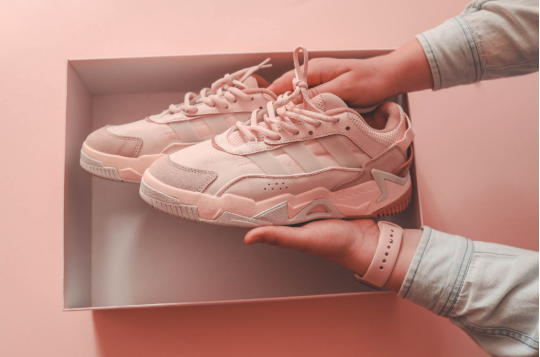
Small Footwear Changes for Greater Everyday Comfort
- Shoes with a wide toe box can reduce rubbing and pressure around a bunion.
- Soft materials, suitable fastenings and supportive soles may make walking more comfortable.
- Footwear can help manage symptoms but cannot reverse the underlying bone deformity.
- Persistent pain may warrant an assessment by an orthopaedic specialist.
Why the Right Shoes Matter When a Bunion Hurts
A bunion is a bony prominence that develops near the base of the big toe, often as the toe gradually shifts towards the smaller toes. The area can become sore, swollen or irritated, particularly when footwear presses against it. Even routine activities, such as walking to work or running errands, may become uncomfortable when shoes place repeated pressure on the joint.
Understanding what causes bunions can help you make more suitable footwear choices. Foot structure, inherited traits, certain joint conditions, and foot mechanics may contribute to their development. Tight or narrow shoes can aggravate existing symptoms by compressing the toes, although footwear alone does not explain every case.
If you experience bunion pain, start by assessing how your shoes fit rather than assuming you need an entirely new wardrobe. Small changes to the shape, material and support of your footwear may help reduce irritation during everyday activities.
Which Shoe Features Can Help Relieve Bunion Pain?
The best footwear gives your toes room to rest naturally without squeezing the affected joint. Look for shoes that accommodate the width and shape of your foot, including the bunion itself.
Consider these features when choosing your next pair:
- A wide toe box: A spacious front allows your toes to spread naturally and reduces pressure against the bunion.
- Soft, flexible uppers: Materials that gently accommodate your foot may reduce friction over the sensitive area.
- Low, stable heels: Lower heels can reduce the forward pressure placed on the toes compared with high-heeled footwear.
- Supportive soles: A stable sole may make walking more comfortable, although the ideal level of firmness depends on your needs.
- Adjustable fastenings: Laces or straps let you adjust the fit around your foot without relying on a tight, restrictive shape.
Try shoes later in the day if your feet tend to swell. Measure both feet, as one may be wider or longer than the other, and choose a pair that accommodates the larger foot. Check that the bunion does not rub against the shoe when you stand or walk.
How Can You Make Your Current Footwear More Comfortable?
You may not need to replace every pair of shoes immediately. First, identify which footwear triggers discomfort and limit its use when possible. Narrow dress shoes, pointed toes and high heels may worsen pressure, particularly during long periods of standing or walking.
A bunion pad or protective cushioning may help reduce rubbing against the shoe. However, choose a product that fits comfortably and does not make the shoe tighter. Stop using it if pressure, redness or discomfort increases. Some people also find that an appropriate insole helps distribute pressure more comfortably, but its suitability depends on foot shape and symptoms.
Give your feet breaks during activities that involve prolonged standing. Alternate between suitable pairs of shoes and check for areas where the lining or seams rub against the bunion.
These measures may ease bunion pain, but they cannot correct the underlying change in bone position. If pain persists despite footwear changes, worsens over time or interferes with everyday movement, seek advice from a qualified healthcare professional.
When Should You Discuss Other Bunion Treatments?
Footwear adjustments are often a sensible first step for managing discomfort, but they are not suitable for every situation. An orthopaedic specialist can assess the bunion, review your symptoms and discuss options based on the severity of the deformity and its effect on daily life.
Treatment may include changes to footwear, cushioning, suitable insoles or other non-surgical measures. If symptoms remain significant despite conservative care, surgery may be considered after an individual assessment.
Minimally invasive bunion surgery uses small incisions and specialised instruments to correct the affected bone position. It may be appropriate for selected patients, but it is not necessary for everyone with a bunion. The recommended procedure, expected benefits and recovery requirements depend on individual circumstances. A specialist can explain whether this approach or another treatment is suitable for you.
Take the Pressure Off Your Next Step
Comfortable footwear can make daily activities easier by reducing rubbing and pressure around a bunion. Prioritise room for your toes, choose supportive shoes and pay attention to changes in your symptoms. If simple adjustments no longer provide relief, professional advice can help you understand the available options.
Contact us at Specialist Orthopaedic Centre to learn more about bunion pain, suitable treatment options and when to seek an orthopaedic assessment.