Can Herbal Bathing and Postnatal Massage Be Included in the Same Confinement Routine?

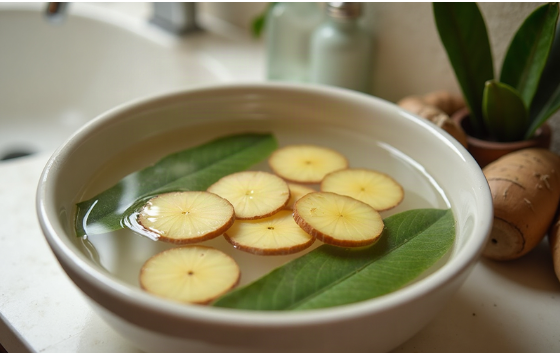
Confinement customs in many Asian families centre on rest, warmth and helping the body recover after childbirth. Two practices that often appear in these routines are herbal bathing and postnatal massage. A confinement herbal bath uses water boiled with herbs such as ginger, lemongrass or pandan leaves, while massage focuses on the muscles and tissues that changed during pregnancy. Many mothers include both, and they can usually sit within the same routine, provided the timing, the mother’s recovery and her doctor’s advice are taken into account.
What Herbal Bathing Involves
Herbal bathing replaces plain water with a warm herbal infusion for washing during confinement. In traditional practice, the bath is meant to keep the body warm and help the mother feel clean without being exposed to cold water. A typical routine includes steps like these:
- Boiling a mix of herbs in water, then letting it cool to a warm temperature.
- Washing the body, and sometimes the hair, with the infused water.
- Drying off quickly and dressing warmly to avoid feeling chilled.
- Repeating the bath daily or every few days during the confinement period.
Some mothers have sensitive skin or an open wound, so it helps to check the herb mix and water temperature before each bath.
What Postnatal Massage Involves
Postnatal massage is usually carried out by a trained therapist who visits the home or works from a centre. Sessions often focus on the back, shoulders, legs and abdomen. Some therapists also draw on acupressure points and the TCM idea of supporting the flow of Qi and Blood. Depending on the therapist’s approach, a session may include the following:
- Kneading and stroking techniques for tight or tired muscles.
- Abdominal work, sometimes followed by binding or wrapping.
- Warming oils or balms applied to the skin.
- Attention to swelling in the legs and feet.
Research on TCM postnatal massage is limited, and reported benefits such as relaxation or reduced muscle tension vary from person to person.
How the Two Fit Into One Routine
Because both practices aim to keep the body warm and relaxed, many confinement plans combine them on the same day. Families who arrange massage sessions alongside regular herbal baths often find that the order and spacing affect how the mother feels, so they plan around points such as these:
- Scheduling massage first and the herbal bath a while later, so oils can be washed off.
- Leaving a gap between the two if the mother feels light-headed or tired.
- Keeping the room warm and free of drafts between sessions.
- Drinking water before and after, since warm baths and massage can both lead to sweating.
- Telling the massage therapist which herbs are used in the bath, in case of skin reactions.
When to Adjust or Wait
Not every mother is ready for both practices in the first days after delivery. Some situations call for a change in plan or a check with a doctor before starting:
- A caesarean wound or perineal stitches that have not yet healed.
- Heavy bleeding, fever or signs of infection.
- High blood pressure or other conditions monitored during pregnancy.
- Skin rashes, broken skin or allergies to certain herbs or oils.
- Varicose veins or a history of blood clots, which may rule out deep leg massage.
In these cases, a doctor may suggest delaying abdominal massage or limiting herbal baths to a sponge wash until the area has healed.
Planning the Confinement Weeks
Herbal bathing and postnatal massage can often be included in the same confinement routine when they are spaced apart and matched to the mother’s recovery. Checking with a doctor before starting, sharing details of herbs and oils with the therapist, and adjusting the routine as the body heals can help mothers make room for both during confinement.
Planning your confinement routine? Message us at 1TCM to arrange postnatal massage sessions at home.