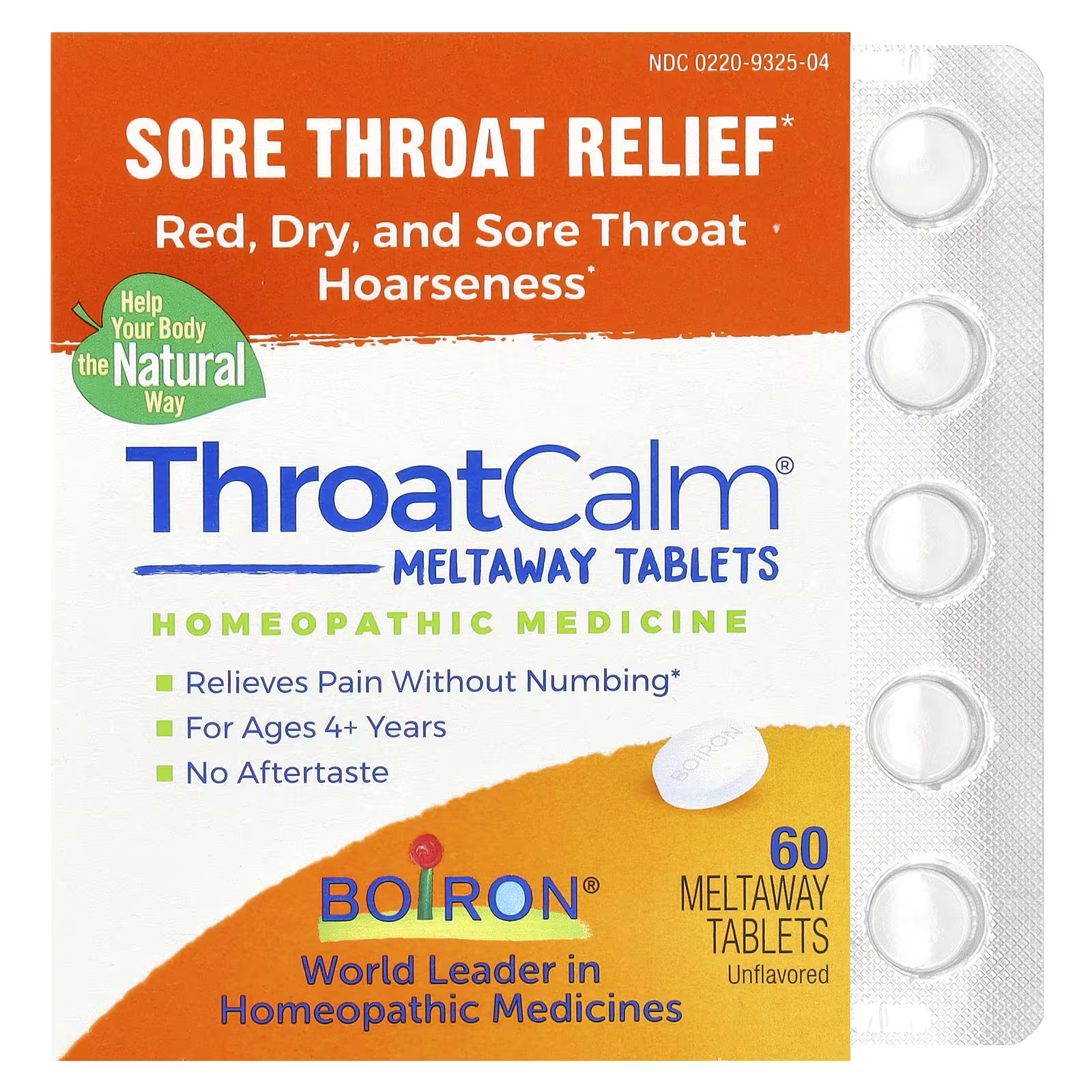
Introduction
A sore throat can be one of the most irritating health issues, making simple tasks like swallowing, talking, or even breathing uncomfortable. Most people experience it at least once a year, and while it often resolves on its own, the right sore throat medicine can provide fast relief, reduce inflammation, and prevent complications. In this comprehensive guide, we’ll cover causes, symptoms, over-the-counter options, prescription treatments, natural remedies, and expert tips to help you recover quickly.
Understanding Sore Throat: Causes and Symptoms

Understanding the underlying causes of a sore throat is essential for choosing the right treatment. Sore throats can be viral, bacterial, or due to environmental factors. Knowing which type you have will help you pick the most effective sore throat medicine.
Common Causes of a Sore Throat
-
Viral Infections – Viruses like the common cold, flu, or mononucleosis are the leading cause of sore throats. Viral infections usually resolve within a week.
-
Bacterial Infections – Strep throat caused by Streptococcus bacteria requires antibiotics to prevent complications.
-
Allergies – Allergic reactions to pollen, dust, mold, or pet dander can cause throat irritation and swelling.
-
Environmental Factors – Dry air, smoke, pollution, and chemical fumes can dry out and irritate the throat lining.
-
Gastroesophageal Reflux Disease (GERD) – Stomach acid can travel back to the throat, causing burning and discomfort.
-
Muscle Strain – Overuse of your voice through shouting, singing, or talking for long periods can strain throat muscles.
Recognizing Sore Throat Symptoms
Identifying your symptoms helps determine whether you need simple remedies, over-the-counter sore throat medicine, or prescription treatment. Common signs include:
-
Pain, scratchiness, or irritation in the throat
-
Difficulty swallowing or speaking
-
Redness or swelling at the back of the throat
-
Swollen lymph nodes in the neck
-
Fever, headache, and body aches in severe infections
Persistent symptoms lasting more than a week or accompanied by high fever should be evaluated by a doctor.
When to See a Doctor for a Sore Throat

Not all sore throats require a doctor’s visit, but certain conditions indicate a more serious infection. Knowing when to seek professional help ensures timely treatment and prevents complications.
Signs of Severe Infection
-
Persistent high fever above 101°F (38.3°C)
-
Swelling or white patches in the throat
-
Difficulty breathing or swallowing
-
Severe pain that does not improve with OTC medicine
High-Risk Groups That Need Medical Attention
-
Infants and young children
-
Elderly individuals
-
People with weakened immune systems
-
Individuals with chronic illnesses like diabetes or heart disease
In these cases, prescription sore throat medicine may be necessary to prevent complications such as rheumatic fever or kidney infections.
Over-the-Counter Sore Throat Medicine Options
For most mild to moderate sore throats, over-the-counter (OTC) medicine can provide relief. These medicines reduce pain, inflammation, and irritation.
Pain Relievers and Anti-Inflammatories
-
Acetaminophen (Paracetamol): Reduces pain and fever effectively. Ideal for mild to moderate soreness.
-
Ibuprofen: A nonsteroidal anti-inflammatory drug (NSAID) that helps reduce throat inflammation and swelling.
Throat Lozenges and Sprays
-
Menthol Lozenges: Provide a cooling effect and numb the throat temporarily.
-
Benzocaine Sprays: Help reduce severe pain and discomfort.
-
Combination Lozenges: Some lozenges also contain mild antiseptics for antibacterial support.
Antihistamines for Allergy-Induced Sore Throat
If your sore throat is caused by allergies:
-
Diphenhydramine (Benadryl): Relieves itching and irritation but may cause drowsiness.
-
Loratadine or Cetirizine: Non-drowsy alternatives for daytime relief.
Table: Popular OTC Sore Throat Medicines
| Medicine Type | Examples | Benefits | Notes |
|---|---|---|---|
| Pain Relievers | Acetaminophen, Ibuprofen | Reduces pain and fever | Follow dosage instructions |
| Lozenges | Cepacol, Halls, Strepsils | Numbs throat and eases discomfort | Avoid excessive use |
| Sprays | Chloraseptic, Betadine Spray | Reduces irritation | Temporary relief only |
| Antihistamines | Loratadine, Cetirizine | Relieves allergy-related throat pain | May cause drowsiness |
Using a combination of lozenges and pain relievers can provide faster, multi-symptom relief.
Prescription Sore Throat Medicines

For more severe infections, doctors may prescribe stronger medicines to fight bacteria or reduce inflammation.
Antibiotics: When Are They Needed?
-
Required only for bacterial infections like strep throat.
-
Common antibiotics: Penicillin, Amoxicillin, or Cephalexin.
-
Typically prescribed for 7–10 days to prevent complications.
Antibiotics are ineffective for viral sore throats, so always consult a doctor before use.
Steroid Treatments for Severe Inflammation
-
Corticosteroids such as prednisone may be prescribed for severe swelling or pain.
-
Helps patients with difficulty swallowing or speaking.
-
Usually used short-term due to potential side effects.
Natural Remedies to Complement Medicine
Along with sore throat medicine, natural remedies can reduce pain and inflammation while boosting immunity.
Honey, Ginger, and Herbal Teas
-
Honey: Coats the throat and reduces irritation.
-
Ginger: Anti-inflammatory properties help ease swelling.
-
Chamomile Tea: Natural soothing effect with mild antiseptic benefits.
-
Licorice Root Tea: May reduce mucus buildup and ease discomfort.
Saltwater Gargles and Steam Inhalation
-
Warm saltwater gargles reduce swelling and kill bacteria.
-
Steam inhalation moisturizes throat tissues and clears congestion.
Vitamin and Mineral Support
-
Vitamin C: Boosts immunity and reduces recovery time.
-
Zinc: Helps fight infections and can shorten duration of cold-related sore throats.
-
Probiotics: Maintain gut health, which supports overall immunity.
Natural remedies work best when combined with proper hydration and OTC medicine.
Lifestyle and Home Care Tips
Staying Hydrated
-
Water, herbal teas, broths, and electrolyte drinks help keep the throat moist.
Rest and Recovery
-
Sleep and minimal strain on your vocal cords speed up healing.
Avoiding Irritants
-
Avoid smoking, second-hand smoke, alcohol, and spicy foods that can aggravate your throat.
-
Use a humidifier in dry environments.
Boosting Immunity
-
Eat a balanced diet rich in fruits, vegetables, and lean proteins.
-
Wash hands frequently to prevent viral infections.
Small lifestyle adjustments can prevent recurrence and support faster recovery.
Frequently Asked Questions About Sore Throat Medicine
Can I Take Multiple Medicines Together?
-
Some combinations are safe (e.g., acetaminophen with antihistamines).
-
Avoid combining NSAIDs with other pain relievers without doctor advice.
How Long Until I See Relief?
-
OTC medicines: Often within a few hours.
-
Prescription antibiotics: 24–48 hours for bacterial infections.
-
Natural remedies: Gradual relief over days.
Are There Any Side Effects?
-
Overuse of pain relievers can affect the liver or kidneys.
-
Antibiotics may cause nausea, diarrhea, or allergic reactions.
-
Lozenges and sprays are generally safe but temporary.
Can Children Take Sore Throat Medicine?
-
Always check the dosage for children.
-
Some medicines, like aspirin, should never be given to children.
-
Natural remedies like honey (for children over 1 year) can be safe and soothing.
Prevention Tips
-
Avoid close contact with sick individuals.
-
Maintain good oral hygiene.
-
Cover your mouth when coughing or sneezing.
-
Use masks during flu season or in crowded areas.
Preventive care is as important as medicine for long-term throat health.
Conclusion
Sore throats are common but uncomfortable. Selecting the right sore throat medicine along with supportive natural remedies and preventive measures can make recovery faster and more comfortable. Whether using OTC medications, prescription antibiotics, or herbal remedies, understanding the cause of your sore throat is essential for effective treatment.
Read More:-