Introduction
In today’s fast-paced world, stress has become a daily companion for many people. Deadlines, responsibilities, financial pressures, and constant digital distractions can overload your nervous system. When stress builds up without release, it affects your sleep, mood, productivity, and overall health.
This is where yoga for stress relief becomes powerful. Yoga is more than stretching—it is a mind-body practice that combines movement, breath control, and awareness to calm your nervous system naturally. With consistent practice, yoga can reduce tension, lower cortisol levels, and bring emotional balance.
In this complete guide, you’ll discover 15 powerful poses, breathing techniques, benefits, a structured routine, and practical tips to make yoga part of your daily life.
How Yoga Helps Reduce Stress Naturally

Before jumping into poses, it’s important to understand why yoga works so effectively for stress management.
1. Activates the Relaxation Response
When you’re stressed, your body activates the “fight-or-flight” response. Yoga shifts your body into the “rest-and-digest” mode by stimulating the parasympathetic nervous system. Slow breathing and mindful movement signal safety to your brain.
2. Reduces Cortisol Levels
Research shows that regular yoga practice lowers cortisol—the primary stress hormone. Lower cortisol means better sleep, improved immunity, and fewer anxiety symptoms.
3. Releases Physical Tension
Stress often hides in the shoulders, neck, hips, and lower back. Stretching these areas releases stored tension and helps your body feel lighter.
4. Improves Mind-Body Awareness
Yoga teaches you to observe thoughts without reacting. This awareness is key when practicing yoga for stress relief, because it helps break the cycle of rumination.
How to Practice Yoga for Stress Relief Safely
To get the most benefit:
-
Choose a quiet, comfortable space
-
Wear loose clothing
-
Avoid heavy meals before practice
-
Move slowly and mindfully
-
Focus on breathing
Remember, yoga is not about perfection—it’s about presence.
15 Best Yoga Poses for Stress Relief
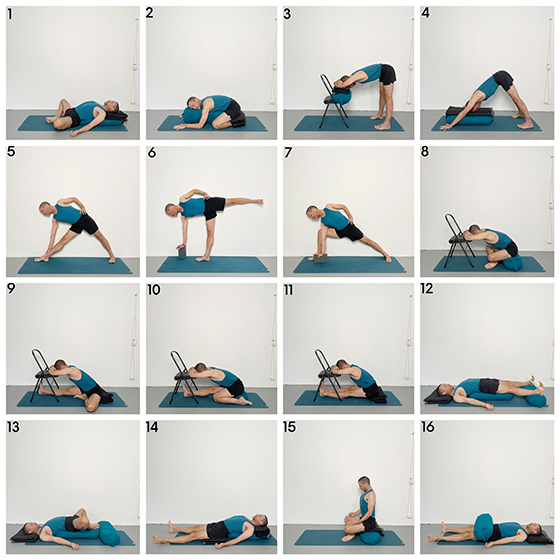
Below are the most effective poses to calm your nervous system and quiet your mind.
1. Child’s Pose (Balasana)
A deeply grounding posture that encourages surrender.
Benefits:
-
Relieves back and shoulder tension
-
Calms racing thoughts
-
Encourages slow breathing
Hold for 1–3 minutes while breathing deeply.
2. Cat-Cow Pose (Marjaryasana-Bitilasana)
A gentle flow that connects breath with movement.
Benefits:
-
Releases spinal tension
-
Improves circulation
-
Reduces mental fatigue
Repeat for 8–10 slow breaths.
3. Standing Forward Fold (Uttanasana)
This pose allows blood flow to the brain and reduces tension.
Benefits:
-
Relaxes neck and shoulders
-
Soothes the nervous system
Let your head hang heavy and breathe deeply.
4. Legs Up the Wall (Viparita Karani)
One of the most powerful poses in yoga for stress relief.
Benefits:
-
Reduces anxiety
-
Improves circulation
-
Calms the mind before bed
Stay here for 5–10 minutes.
5. Seated Forward Bend (Paschimottanasana)
Encourages introspection and mental quietness.
Benefits:
-
Stretches hamstrings
-
Reduces agitation
-
Promotes calm breathing
6. Bridge Pose (Setu Bandhasana)
A gentle heart-opening posture.
Benefits:
-
Releases chest tension
-
Improves mood
-
Boosts energy naturally
7. Supine Twist
Twists detoxify the body and release tight muscles.
Benefits:
-
Relieves lower back tension
-
Improves digestion
-
Eases emotional stress
8. Easy Pose with Deep Breathing (Sukhasana)
Sit cross-legged and focus on your breath.
Benefits:
-
Enhances mental clarity
-
Slows racing thoughts
9. Corpse Pose (Savasana)
The most important pose in yoga.
Benefits:
-
Resets the nervous system
-
Encourages deep relaxation
-
Integrates the practice
Stay for 5–10 minutes.
10. Mountain Pose (Tadasana)
A grounding standing posture.
Benefits:
-
Improves posture
-
Builds awareness
-
Encourages calm focus
11. Butterfly Pose (Baddha Konasana)
Releases tension stored in the hips.
Benefits:
-
Improves flexibility
-
Eases emotional stress
12. Puppy Pose (Uttana Shishosana)
A gentle heart-opening stretch.
Benefits:
-
Releases shoulder tightness
-
Encourages emotional release
13. Reclining Bound Angle Pose
A restorative posture using cushions or pillows.
Benefits:
-
Soothes anxiety
-
Opens hips and chest
14. Extended Child’s Pose
A deeper variation of Balasana.
Benefits:
-
Intensifies relaxation
-
Releases back stiffness
15. Happy Baby Pose (Ananda Balasana)
A playful posture that releases the lower back.
Benefits:
-
Reduces tension
-
Improves mood
20-Minute Yoga for Stress Relief Routine
Here’s a simple structure you can follow daily:
| Phase | Pose | Duration | Purpose |
|---|---|---|---|
| Warm-Up | Cat-Cow | 2 mins | Loosen spine |
| Flow | Standing Forward Fold | 2 mins | Release tension |
| Flow | Bridge Pose | 2 mins | Open chest |
| Restorative | Legs Up the Wall | 5 mins | Calm nervous system |
| Grounding | Supine Twist | 3 mins | Relax lower back |
| Final Relaxation | Savasana | 6 mins | Deep mental calm |
This routine is ideal for beginners and can be done before bed.
Breathing Techniques to Enhance Yoga for Stress Relief
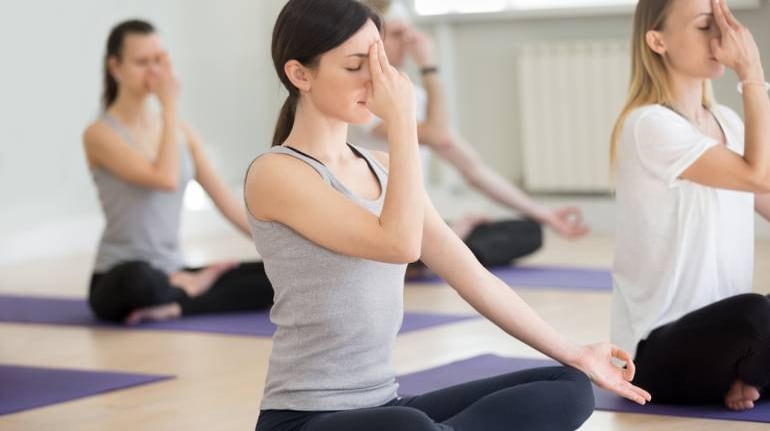
Breathwork enhances the calming effects of yoga.
1. Diaphragmatic Breathing
Place one hand on your stomach. Inhale deeply so your belly rises.
2. 4-7-8 Breathing
Inhale 4 seconds, hold 7, exhale 8.
3. Alternate Nostril Breathing (Nadi Shodhana)
Balances both hemispheres of the brain and reduces anxiety.
Adding breath control to yoga for stress relief increases its effectiveness dramatically.
Benefits of Practicing Daily
Consistent practice can lead to:
-
Better sleep
-
Reduced anxiety
-
Improved focus
-
Emotional balance
-
Lower blood pressure
-
Increased energy
Within a few weeks, you may notice improved mood stability and mental clarity.
Common Mistakes to Avoid
-
Holding your breath
-
Forcing deep stretches
-
Skipping relaxation
-
Comparing yourself to others
-
Practicing inconsistently
Yoga is a personal journey. Progress looks different for everyone.
Who Should Practice Yoga for Stress Relief?
-
Busy professionals
-
Students under academic pressure
-
Parents balancing responsibilities
-
Seniors seeking gentle relaxation
-
Beginners wanting a simple wellness routine
Almost anyone can benefit from this practice when done safely.
5 Best Poses for Instant Calm
If you’re short on time, try this mini routine:
-
Child’s Pose – 2 minutes
-
Cat-Cow – 1 minute
-
Forward Fold – 1 minute
-
Legs Up the Wall – 5 minutes
-
Savasana – 5 minutes
This short session delivers powerful results.
Frequently Asked Questions
How often should I practice?
Aim for 4–5 times per week for noticeable results.
Can yoga reduce anxiety immediately?
Yes, even one session can reduce tension temporarily.
Is morning or evening better?
Morning energizes you. Evening promotes relaxation. Choose based on your goal.
Do I need to be flexible?
No. Flexibility improves with practice.
Conclusion
Stress is unavoidable—but staying overwhelmed is not. Through gentle movement, mindful breathing, and consistent practice, you can retrain your nervous system to respond calmly.
Incorporating yoga for stress relief into your daily routine is one of the simplest and most natural ways to improve mental and physical health. Start with just 10–20 minutes per day. Focus on slow breathing, stay present, and allow your body to relax.
Over time, your mind will become calmer, your sleep deeper, and your energy more balanced.
Peace begins on the mat.
Read More:-Men’s Mental Health Month: Common Struggles Men Face