Introduction
Maintaining cleanliness is one of the most important habits for a healthy and disease-free life. From washing hands to brushing teeth and wearing clean clothes, personal hygiene plays a major role in preventing infections and boosting confidence. Today, visual learning has become an effective way to teach hygiene habits, especially to children. That is why personal hygiene images are widely used in schools, health campaigns, and online educational platforms.
In this detailed guide, we will explore the importance of hygiene, types of hygiene visuals, daily routines, educational uses, and practical tips for healthy living.
What Is Personal Hygiene?

Personal hygiene refers to the daily practices that keep our body clean and prevent the spread of diseases. These practices include:
-
Handwashing
-
Bathing
-
Brushing teeth
-
Nail trimming
-
Hair care
-
Wearing clean clothes
What Is Personal Hygiene?
Personal hygiene is the practice of maintaining cleanliness of the body to prevent illness, improve health, and promote overall well-being.
Using personal hygiene images helps people understand these habits more clearly through step-by-step visuals.
Why Personal Hygiene Is Important for Healthy Living
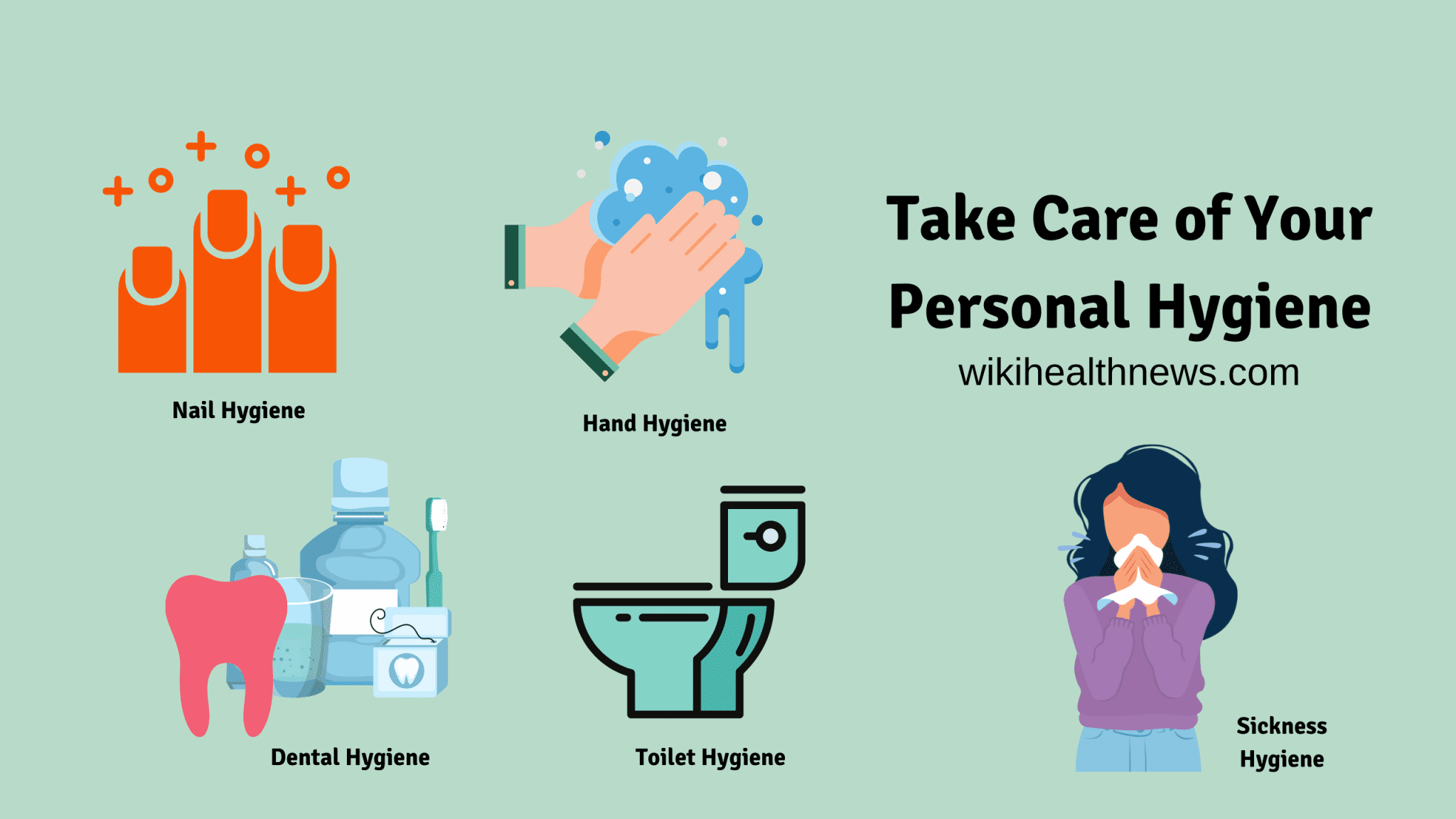
Good hygiene protects against bacteria, viruses, and infections. It also improves mental health and social confidence.
1. Prevents Diseases
Clean habits reduce the risk of:
-
Flu and colds
-
Food poisoning
-
Skin infections
-
Gum diseases
2. Boosts Self-Confidence
Clean and well-groomed individuals feel more confident in social and professional settings.
3. Promotes Social Acceptance
People are more comfortable interacting with someone who maintains proper hygiene.
Educational personal hygiene images make it easier to teach these benefits visually.
Importance of Personal Hygiene Images in Education
Visual learning is powerful because images are easier to remember than text alone.
How Images Improve Learning
-
Simplify complex information
-
Show step-by-step instructions
-
Increase engagement
-
Help children understand faster
Teachers often use personal hygiene images in classrooms to demonstrate correct handwashing techniques or brushing methods.
Types of Personal Hygiene
There are various categories of hygiene visuals used for education and awareness.
1. Handwashing
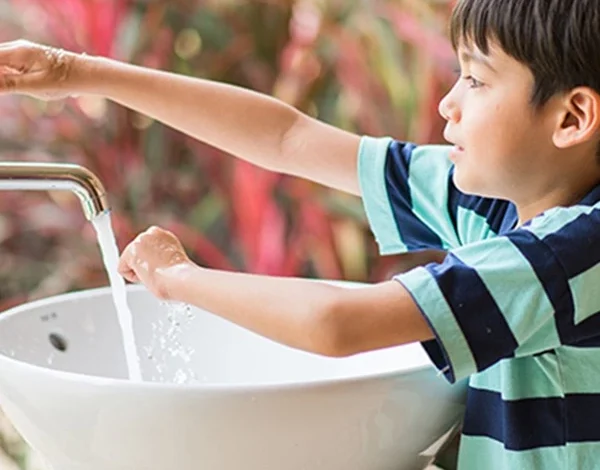
Handwashing is one of the most important hygiene practices. Visual guides show:
-
Wet hands
-
Apply soap
-
Rub palms and fingers
-
Rinse thoroughly
-
Dry with a clean towel
Handwashing visuals are commonly promoted by organizations like World Health Organization.
2. Oral Hygiene
These visuals demonstrate:
-
Correct brushing angle
-
Flossing techniques
-
Tongue cleaning
-
Rinsing properly
Dentists and schools use personal hygiene images to teach children proper oral care habits.
3. Bathing and Body Care
Bathing visuals often include:
-
Using soap properly
-
Cleaning underarms
-
Washing feet
-
Drying body thoroughly
4. Nail and Grooming
These show:
-
Cutting nails regularly
-
Cleaning dirt under nails
-
Combing hair
-
Keeping hair clean
5. Clean Clothing and Laundry
Images illustrate:
-
Wearing fresh clothes daily
-
Washing dirty clothes
-
Proper drying methods
All these visuals contribute to effective hygiene awareness.
Daily Personal Hygiene Routine

Following a structured routine ensures consistent hygiene practices.
Morning Routine
-
Brush teeth
-
Wash face
-
Take a bath
-
Wear clean clothes
-
Comb hair
Evening Routine
-
Wash hands and feet
-
Brush teeth before bed
-
Change into clean nightwear
Displaying routines through personal hygiene images helps children develop habits quickly.
Weekly Hygiene Checklist
| Hygiene Task | Frequency | Purpose |
|---|---|---|
| Trim nails | Weekly | Prevent dirt buildup |
| Wash bedsheets | Weekly | Reduce germs |
| Clean combs | Weekly | Prevent scalp infections |
| Wash shoes | Weekly | Maintain cleanliness |
| Disinfect personal items | Weekly | Prevent bacteria growth |
This checklist can be visually represented using hygiene charts.
Personal Hygiene Images for Children
Children learn best through colorful and engaging visuals.
Cartoon-Based Illustrations
Cartoon visuals make hygiene fun and less intimidating.
Classroom Posters
Large posters placed in classrooms remind students to:
-
Wash hands
-
Cover mouth while sneezing
-
Use clean handkerchiefs
Printable Hygiene Charts
Teachers can use personal hygiene images as printable worksheets to track daily routines.
Personal Hygiene Images for Adults
Hygiene visuals are not only for children.
Workplace Hygiene Posters
Offices display handwashing posters in restrooms to maintain workplace hygiene.
Gym and Fitness Hygiene Visuals
Gyms encourage:
-
Wiping equipment
-
Using personal towels
-
Wearing clean workout clothes
These reminders promote healthier environments.
Role of Organizations in Hygiene Awareness
Many global organizations promote hygiene awareness campaigns.
UNICEF works on hygiene education programs worldwide, especially in schools.
Centers for Disease Control and Prevention provides guidelines on handwashing and disease prevention.
Their campaigns often use personal hygiene images for wider impact.
Benefits of Using Personal Hygiene Images
1. Easy Understanding
Visual representation makes instructions clearer.
2. Better Retention
People remember images longer than text.
3. Universal Communication
Images overcome language barriers.
4. Encourages Habit Formation
Daily visual reminders help create consistent routines.
Tips for Healthy Living Through Proper Hygiene
Here are practical tips to maintain good hygiene daily:
Wash Hands Regularly
Before eating and after using the restroom.
Maintain Oral Hygiene
Brush twice daily and floss regularly.
Keep Nails Short
Trim nails weekly to prevent dirt buildup.
Wear Clean Clothes
Change clothes daily, especially innerwear.
Maintain Hair Cleanliness
Wash hair regularly depending on hair type.
Common Personal Hygiene Mistakes
Avoid these common errors:
-
Skipping handwashing
-
Not drying hands properly
-
Reusing unwashed towels
-
Ignoring dental floss
-
Wearing unclean socks
Educational campaigns use personal hygiene images to highlight these mistakes visually.
Digital Resources for Personal Hygiene Images
You can find hygiene visuals from:
-
Educational websites
-
Free stock image platforms
-
Government health portals
-
School resource libraries
Ensure images are clear, accurate, and age-appropriate.
Why Use Personal Hygiene Images?
Personal hygiene images help people understand and remember hygiene practices through visual demonstrations, making learning easier and more effective for both children and adults.
Creating Your Own Hygiene Posters
You can design simple hygiene charts by:
-
Choosing clear illustrations
-
Adding short captions
-
Using bright, engaging colors
-
Keeping instructions simple
These posters are effective tools in schools and communities.
Personal Hygiene and Mental Well-Being
Cleanliness impacts mental health positively by:
-
Reducing stress
-
Boosting self-esteem
-
Improving mood
-
Enhancing productivity
Maintaining a clean body and surroundings promotes a healthy lifestyle.
Hygiene in Public Places
Public hygiene awareness includes:
-
Using hand sanitizers
-
Avoiding littering
-
Covering mouth while coughing
-
Using tissues properly
Posters in public restrooms often feature personal hygiene images to encourage responsible behavior.
Long-Term Impact of Hygiene Education
When hygiene education starts early:
-
Children develop lifelong habits
-
Disease rates decrease
-
Communities become healthier
-
Healthcare costs reduce
Visual learning strengthens this impact significantly.
Conclusion
Personal hygiene is not just about looking clean — it is about protecting health, preventing disease, and building confidence. In today’s digital and visual world, personal hygiene images play a crucial role in spreading awareness and teaching proper habits effectively.
Whether used in schools, workplaces, or online platforms, hygiene visuals simplify learning and encourage consistent routines. By adopting good hygiene practices and using visual tools for awareness, we can build healthier families, communities, and societies.
Healthy living begins with simple daily habits — and visual guidance makes those habits easier to understand and follow.
Read More:-