Introduction
Lying in bed with a tired body but a busy mind is one of the most frustrating feelings. The lights are off, the room is quiet, and yet your brain refuses to slow down. You replay conversations, imagine worst-case scenarios, or worry about tomorrow’s tasks. If this sounds familiar, you’re not alone.
Many people struggle with racing thoughts after dark. The good news is that you can learn how to stop overthinking and finally enjoy peaceful, restorative sleep. In this detailed guide, you’ll discover why overthinking gets worse at night, how it affects your sleep, and practical steps you can start using today.
Why Overthinking Gets Worse at Night
Nighttime creates the perfect environment for your thoughts to grow louder. During the day, you are busy with work, family, notifications, and responsibilities. These distractions keep your mind occupied.
At night, everything becomes quiet.
Your brain shifts into reflection mode. Without external noise, internal thoughts take center stage. This is often when unresolved emotions, stress, or worries show up.
Here are some common reasons:
-
Lack of distractions
-
Unprocessed stress from the day
-
Anxiety about the future
-
Habitual rumination patterns
-
Fear of losing control
Understanding why this happens is the first step in learning how to stop overthinking before it steals your sleep.
How Overthinking Affects Your Sleep
Overthinking activates your body’s stress response. When you worry, your brain releases cortisol — the stress hormone. Cortisol increases alertness and makes relaxation difficult.
This can lead to:
-
Difficulty falling asleep
-
Waking up in the middle of the night
-
Light, unrefreshing sleep
-
Morning fatigue
-
Irritability and mood swings
The more nights you experience this, the more your brain associates bedtime with stress. That’s why breaking the cycle early is essential.
Signs You’re Overthinking at Night
You might be overthinking if you:
-
Replay conversations repeatedly
-
Imagine negative future scenarios
-
Feel guilty about past mistakes
-
Analyze small decisions in detail
-
Feel physically tired but mentally alert
Recognizing these patterns helps you take action instead of feeling trapped in them.
Practical Techniques to Stop Overthinking Before Bed

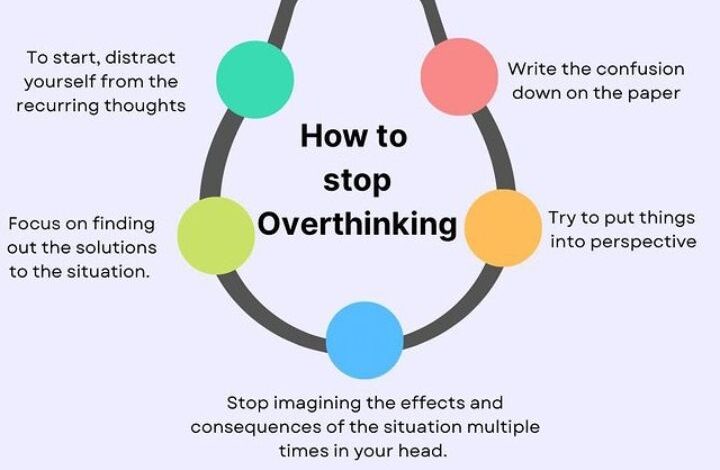
If you’re serious about learning how to stop overthinking, start with small, consistent habits. These techniques are simple but powerful when practiced daily.
1. Create a Wind-Down Routine
Your brain needs signals that it’s time to sleep. A consistent bedtime routine trains your body to relax.
Try this 30-minute sequence:
-
Turn off bright lights
-
Avoid screens
-
Take a warm shower
-
Read a calming book
-
Dim the room
Consistency rewires your brain to associate nighttime with calmness.
2. The “Brain Dump” Method
One of the most effective tools for how to stop overthinking at night is journaling.
Before bed, write down:
-
Worries
-
Tasks for tomorrow
-
Random thoughts
-
Emotions
This clears mental clutter. When thoughts appear later, remind yourself: “It’s already written down.”
3. Practice the 4-7-8 Breathing Technique
Breathing exercises calm your nervous system.
Steps:
-
Inhale for 4 seconds
-
Hold for 7 seconds
-
Exhale for 8 seconds
-
Repeat 4–6 times
This slows your heart rate and shifts your body into relaxation mode.
4. Challenge Negative Thoughts
Overthinking often involves distorted thinking.
Ask yourself:
-
Is this thought realistic?
-
Do I have evidence?
-
Will this matter in 6 months?
Replacing exaggerated fears with balanced thoughts is key when learning how to stop overthinking consistently.
Mindfulness Techniques for Nighttime Calm
Mindfulness brings your focus to the present moment instead of imagined futures.
Body Scan Meditation
Start from your toes and slowly move upward, noticing sensations in each part of your body. This grounds your attention physically.
Visualization
Imagine a peaceful place — a beach, forest, or mountain. Engage all senses. Visualization distracts your mind from rumination.
5-4-3-2-1 Grounding Method
-
5 things you see
-
4 things you feel
-
3 things you hear
-
2 things you smell
-
1 thing you taste
This technique interrupts racing thoughts effectively.
Lifestyle Changes That Reduce Overthinking
Sometimes nighttime overthinking is linked to daytime habits.
Reduce Caffeine
Caffeine stays in your system for 6–8 hours. Avoid it after mid-afternoon.
Exercise Regularly
Physical movement reduces stress hormones and improves sleep quality.
Set a “Worry Time”
Instead of worrying at night, schedule 15 minutes in the evening to think through concerns. When worries appear later, remind yourself they have a designated time.
Improve Sleep Environment
Your bedroom should be:
-
Dark
-
Cool
-
Quiet
-
Comfortable
A relaxing environment supports your effort in mastering how to stop overthinking naturally.
Quick Reset Plan (Table)
Here’s a simple nighttime action plan:
| Situation | What to Do | Why It Helps |
|---|---|---|
| Racing thoughts at bedtime | Write a brain dump | Clears mental clutter |
| Anxiety spikes | Practice 4-7-8 breathing | Activates relaxation response |
| Replaying conversations | Challenge the thought | Reduces cognitive distortion |
| Waking at 2 AM | Get up for 10 minutes | Breaks stress association |
| Future worries | Schedule worry time | Creates control |
How to Stop Overthinking in the Middle of the Night

If you wake up with racing thoughts:
-
Don’t force sleep
-
Avoid checking the clock
-
Sit up and read something light
-
Use slow breathing
-
Repeat calming affirmations
Forcing sleep increases stress. Calm acceptance works better.
Affirmations to Calm Your Mind
Repeating soothing phrases helps retrain your brain.
-
“I have done enough for today.”
-
“Rest is productive.”
-
“I release what I cannot control.”
-
“Tomorrow can wait.”
Affirmations reinforce emotional safety before sleep.
When Overthinking Is Linked to Anxiety
Occasional rumination is normal. But if you experience:
-
Daily insomnia
-
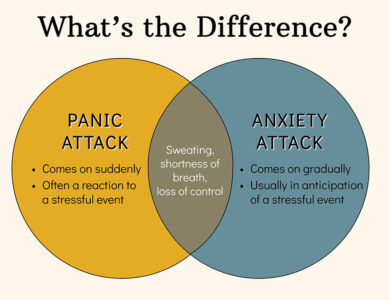
Panic attacks
-
Constant worry
-
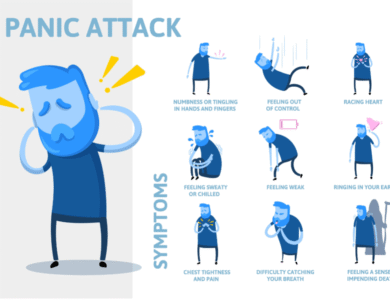
Physical symptoms like chest tightness
It may be anxiety-related. In such cases, therapy or professional support can help you learn how to stop overthinking in a structured way.
Cognitive Behavioral Therapy (CBT) is especially effective for breaking rumination cycles.
Common Myths About Overthinking
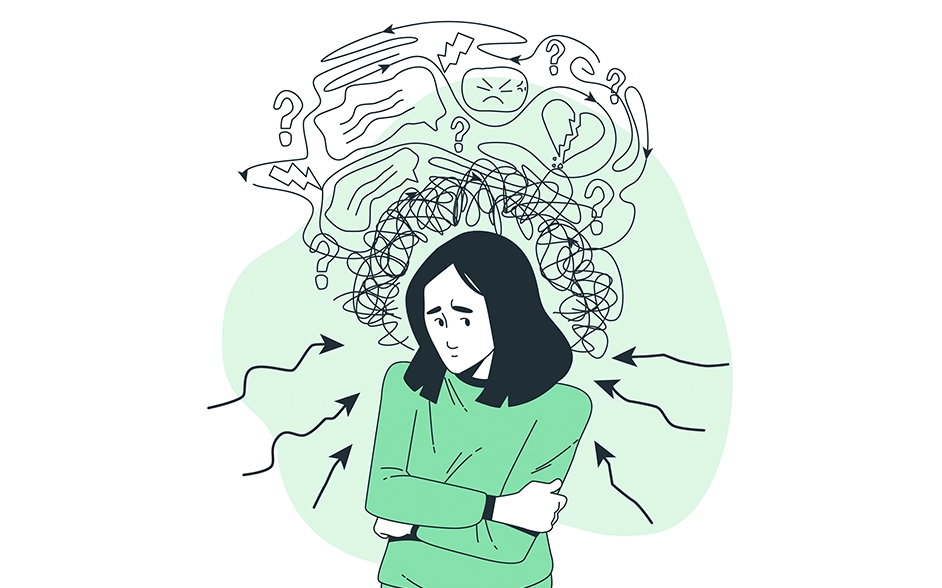
Myth 1: Overthinking Means You’re Intelligent
Overanalyzing doesn’t equal problem-solving. It often leads to paralysis.
Myth 2: You Can Just “Turn Off” Your Thoughts
You can’t eliminate thoughts, but you can change how you respond to them.
Myth 3: Nighttime Is the Best Time to Solve Problems
Your brain is tired at night. Solutions are clearer in the morning.
5-Minute Emergency Calm Routine
If your mind feels uncontrollable:
-
Sit upright
-
Take 5 slow breaths
-
Name 3 positive things from today
-
Stretch gently
-
Repeat a calming phrase
This interrupts the rumination loop quickly.
Long-Term Strategy to Stop Overthinking
Learning how to stop overthinking is not about perfection. It’s about repetition.
Focus on:
-
Consistency over intensity
-
Awareness over judgment
-
Progress over perfection
Your brain forms habits. With daily practice, calm thinking becomes natural.
Frequently Asked Questions
Why do I overthink more at night?
Because distractions disappear and your brain shifts into reflection mode.
Can overthinking cause insomnia?
Yes. Stress hormones increase alertness and delay sleep.
How long does it take to stop overthinking?
With consistent practice, noticeable improvement can happen within a few weeks.
What is the fastest way to calm racing thoughts?
Deep breathing and grounding techniques provide immediate relief.
Conclusion
Nighttime overthinking can feel overwhelming, but it is manageable. The key is not to fight your thoughts aggressively, but to gently redirect them.
Start with one habit tonight:
-
Write your thoughts down
-
Practice slow breathing
-
Turn off screens early
Learning how to stop overthinking is a gradual process, but peaceful sleep is absolutely possible. Your mind deserves rest just as much as your body does.
Small daily changes create powerful long-term results.
Read More:-Yoga for Stress Relief: 15 Poses to Calm Your Mind