Introduction
A panic attack can feel overwhelming, frightening, and even life-threatening. Your heart races, your chest tightens, breathing becomes difficult, and your thoughts spiral out of control. In those moments, you may feel like something is terribly wrong.
The good news is that panic attacks, while intense, are not dangerous. And more importantly, you can learn how to stop a panic attack quickly and calmly using practical techniques that work in real time.
This complete guide explains what panic attacks are, why they happen, and step-by-step methods to regain control. If you’ve ever wondered how to stop a panic attack in the middle of one, this article will give you clear, actionable tools.
How to Stop a Panic Attack

What should you do during a panic attack?
If you’re experiencing a panic attack right now:
-
Slow your breathing.
-
Remind yourself it will pass.
-
Ground yourself using your senses.
-
Relax your muscles intentionally.
-
Avoid fighting the sensation.
These steps can help you understand how to stop a panic attack before it escalates.
What Is a Panic Attack?
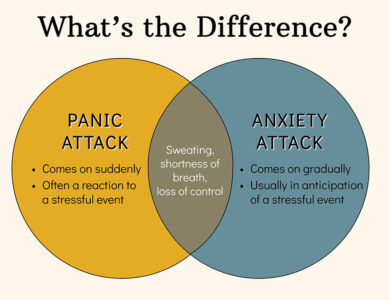
A panic attack is a sudden surge of intense fear or discomfort that peaks within minutes. It activates your body’s fight-or-flight response—even when there’s no real danger present.
Panic attacks are recognized in the Diagnostic and Statistical Manual of Mental Disorders as part of panic disorder and other anxiety-related conditions.
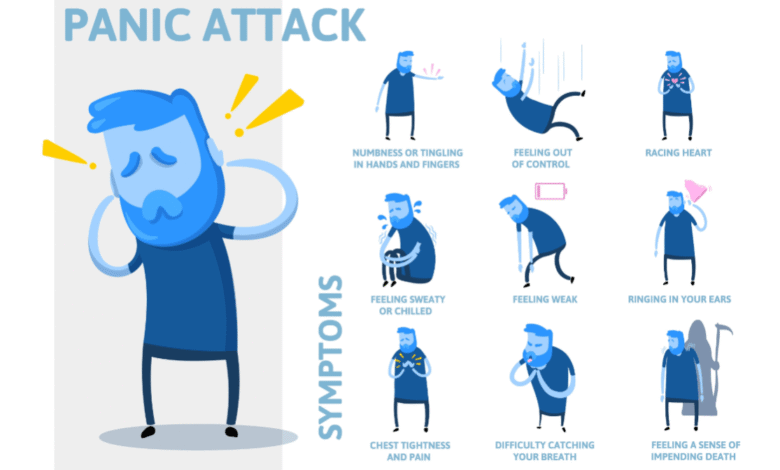
Common Symptoms of a Panic Attack
-
Rapid heartbeat
-
Chest pain
-
Shortness of breath
-
Dizziness
-
Sweating
-
Nausea
-
Trembling
-
Fear of losing control
-
Fear of dying
Because symptoms mimic serious medical conditions, many people go to the emergency room during their first episode.
Why Panic Attacks Feel So Intense
Your brain perceives danger—even when none exists—and releases stress hormones like adrenaline. This causes:
-
Faster heart rate
-
Rapid breathing
-
Muscle tension
-
Heightened alertness
The body is preparing to run or fight. Understanding this biological response is essential when learning how to stop a panic attack effectively.
Why Panic Attacks Happen
Panic attacks may be triggered by:
-
Chronic stress
-
Trauma
-
Major life changes
-
Caffeine or stimulant use
-
Sleep deprivation
-
Underlying anxiety disorders
Sometimes, they occur without warning. This unpredictability makes many people anxious about having another one.
How to Stop a Panic Attack in the Moment
When panic strikes, immediate action can reduce intensity.
1. Control Your Breathing
Fast breathing worsens symptoms. Try this:
Box Breathing Technique
-
Inhale for 4 seconds
-
Hold for 4 seconds
-
Exhale for 4 seconds
-
Hold for 4 seconds
Repeat for several cycles.
Slowing your breath sends a message to your brain that you are safe.
2. Use the 5-4-3-2-1 Grounding Technique
This method anchors you in the present moment:
-
5 things you see
-
4 things you feel
-
3 things you hear
-
2 things you smell
-
1 thing you taste
Grounding interrupts catastrophic thinking and is one of the fastest ways to practice how to stop a panic attack naturally.
3. Remind Yourself It Will Pass
Panic attacks usually peak within 10–20 minutes.
Tell yourself:
-
“This is uncomfortable, but not dangerous.”
-
“I’ve survived this before.”
-
“My body is reacting to stress.”
Reframing thoughts reduces fear.
4. Relax Your Muscles
Panic creates muscle tension.
Try progressive muscle relaxation:
-
Tighten muscles for 5 seconds
-
Release slowly
-
Move from feet to head
This signals safety to your nervous system.
5. Shift Your Focus
Distraction can reduce intensity:
-
Count backward from 100
-
Name animals alphabetically
-
Hold an ice cube
-
Listen to calming music
Redirecting your attention breaks the fear cycle.
How to Stop a Panic Attack at Night
Nighttime panic attacks can be especially distressing.
What Helps:
-
Sit upright and focus on breathing
-
Turn on a dim light
-
Drink a sip of water
-
Avoid checking your pulse repeatedly
-
Practice calming self-talk
Creating a bedtime relaxation routine reduces nighttime episodes.
How to Stop a Panic Attack in Public
Public panic attacks add embarrassment to fear.
Try These Steps:
-
Step outside or find a restroom
-
Use subtle breathing exercises
-
Focus on an object nearby
-
Text someone supportive
Remember, most people won’t notice you’re panicking as much as you think.
What NOT to Do During a Panic Attack
Understanding what to avoid is just as important as knowing how to stop a panic attack.
Don’t:
-
Fight the sensations aggressively
-
Tell yourself you’re “going crazy”
-
Over-breathe
-
Consume caffeine
-
Immediately flee every triggering place
Avoidance can reinforce fear long-term.
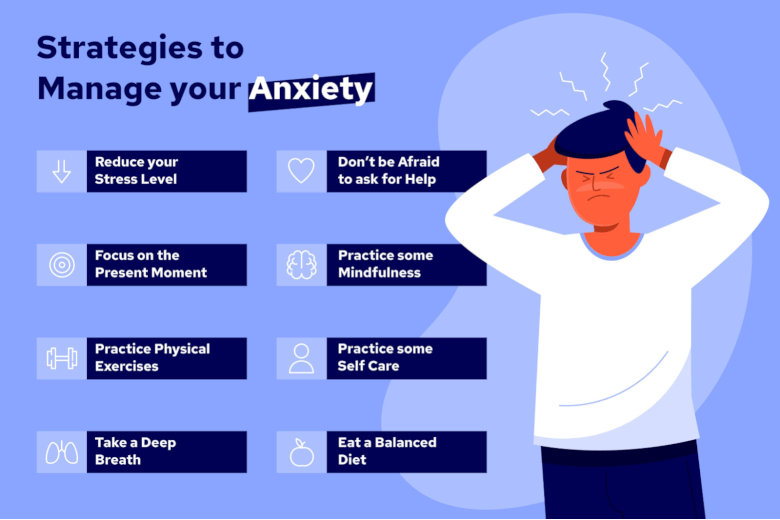
Long-Term Strategies to Prevent Panic Attacks
While learning how to stop a panic attack in the moment is essential, prevention is equally important.
1. Cognitive Behavioral Therapy (CBT)
CBT helps identify distorted thoughts and replace them with realistic ones. It is one of the most effective treatments for panic disorder.
2. Regular Exercise
Physical activity regulates stress hormones and improves mood.
3. Sleep Hygiene
Poor sleep increases anxiety vulnerability.
4. Limit Caffeine and Alcohol
Stimulants can trigger symptoms.
5. Mindfulness and Meditation
Daily mindfulness reduces overall anxiety levels.
Medication Options
If panic attacks are frequent or severe, a doctor may prescribe:
-
SSRIs
-
SNRIs
-
Short-term anti-anxiety medications
Always consult a licensed healthcare provider before starting medication.
Quick Comparison Table: Immediate vs Long-Term Solutions
| Situation | Immediate Action | Long-Term Strategy |
|---|---|---|
| Sudden panic at work | Slow breathing | Stress management routine |
| Nighttime episode | Sit up and ground yourself | Improve sleep habits |
| Fear of public spaces | 5-4-3-2-1 method | CBT or exposure therapy |
| Frequent weekly attacks | Muscle relaxation | Professional therapy |
| Caffeine-triggered panic | Hydrate and breathe | Reduce stimulant intake |
5-Minute Emergency Plan
If you need a fast checklist for how to stop a panic attack, follow this:
-
Breathe slowly (4-4-4-4).
-
Ground yourself using senses.
-
Repeat calming statements.
-
Relax muscles.
-
Wait it out without resisting.
Most attacks fade within minutes.
When to Seek Professional Help
Consider speaking to a mental health professional if:
-
Panic attacks happen weekly
-
You avoid places out of fear
-
Symptoms disrupt daily life
-
You worry constantly about the next attack
Early treatment improves outcomes significantly.
Frequently Asked Questions
How long does a panic attack last?
Most peak within 10–20 minutes but may leave lingering anxiety.
Can panic attacks cause heart attacks?
Panic attacks are not heart attacks, though symptoms may feel similar.
Can you completely stop panic attacks?
With therapy and lifestyle adjustments, many people significantly reduce or eliminate them.
Conclusion
Learning how to stop a panic attack gives you power over something that once felt uncontrollable. While panic attacks are intense, they are temporary and manageable.
The key is not to eliminate fear entirely but to respond to it calmly and confidently. With breathing techniques, grounding exercises, therapy, and healthy habits, you can reduce both the frequency and severity of episodes.
If panic attacks are affecting your quality of life, professional help can make a profound difference. You are not weak for seeking support—you are taking control of your mental health.
With the right tools and consistent practice, you can master how to stop a panic attack quickly and calmly—and reclaim your sense of peace.
Read More:-The Art of Not Overthinking: Calm Your Busy Mind Today