Introduction
Mental health conversations are becoming more open and common, yet many people still feel confused about certain terms. One of the most searched and misunderstood topics today is panic attack vs anxiety attack. While the two experiences share similarities, they are not exactly the same.
If you’ve ever felt overwhelming fear, a racing heart, shortness of breath, or intense worry, you might have wondered which one you were experiencing. Understanding the difference can help you respond appropriately, seek the right support, and reduce fear around the symptoms.
This comprehensive guide explains everything you need to know about panic attack vs anxiety attack, including symptoms, causes, duration, triggers, treatment options, and a side-by-side comparison table.
Panic Attack vs Anxiety Attack
What is the difference between panic attack and anxiety attack?
-
A panic attack is a sudden, intense episode of fear that peaks within minutes and often happens without warning.
-
An anxiety attack typically builds gradually and is triggered by stress or worry about a specific situation.
-
Panic attacks are officially recognized in the Diagnostic and Statistical Manual of Mental Disorders (DSM-5), published by the Diagnostic and Statistical Manual of Mental Disorders.
-
Anxiety attacks are not a formal clinical diagnosis but are widely used to describe intense anxiety episodes.
What Is an Anxiety Attack?

An anxiety attack is a period of heightened anxiety or fear, often linked to a specific stressor. It usually develops gradually and intensifies over time.
Although not an official medical term, healthcare professionals commonly understand it as an escalation of anxiety symptoms.
Common Triggers of Anxiety Attacks
-
Work pressure or deadlines
-
Relationship conflicts
-
Financial stress
-
Health worries
-
Public speaking
-
Social situations
Unlike panic attacks, anxiety attacks are usually connected to something you’re worried about.
Symptoms of an Anxiety Attack
Anxiety attacks often include both emotional and physical symptoms:
Emotional Symptoms:
-
Persistent worry
-
Restlessness
-
Irritability
-
Difficulty concentrating
-
Feeling overwhelmed
Physical Symptoms:
-
Muscle tension
-
Increased heart rate
-
Sweating
-
Upset stomach
-
Fatigue
-
Trouble sleeping
Symptoms may last for hours or even days, depending on the stressor.
What Is a Panic Attack?
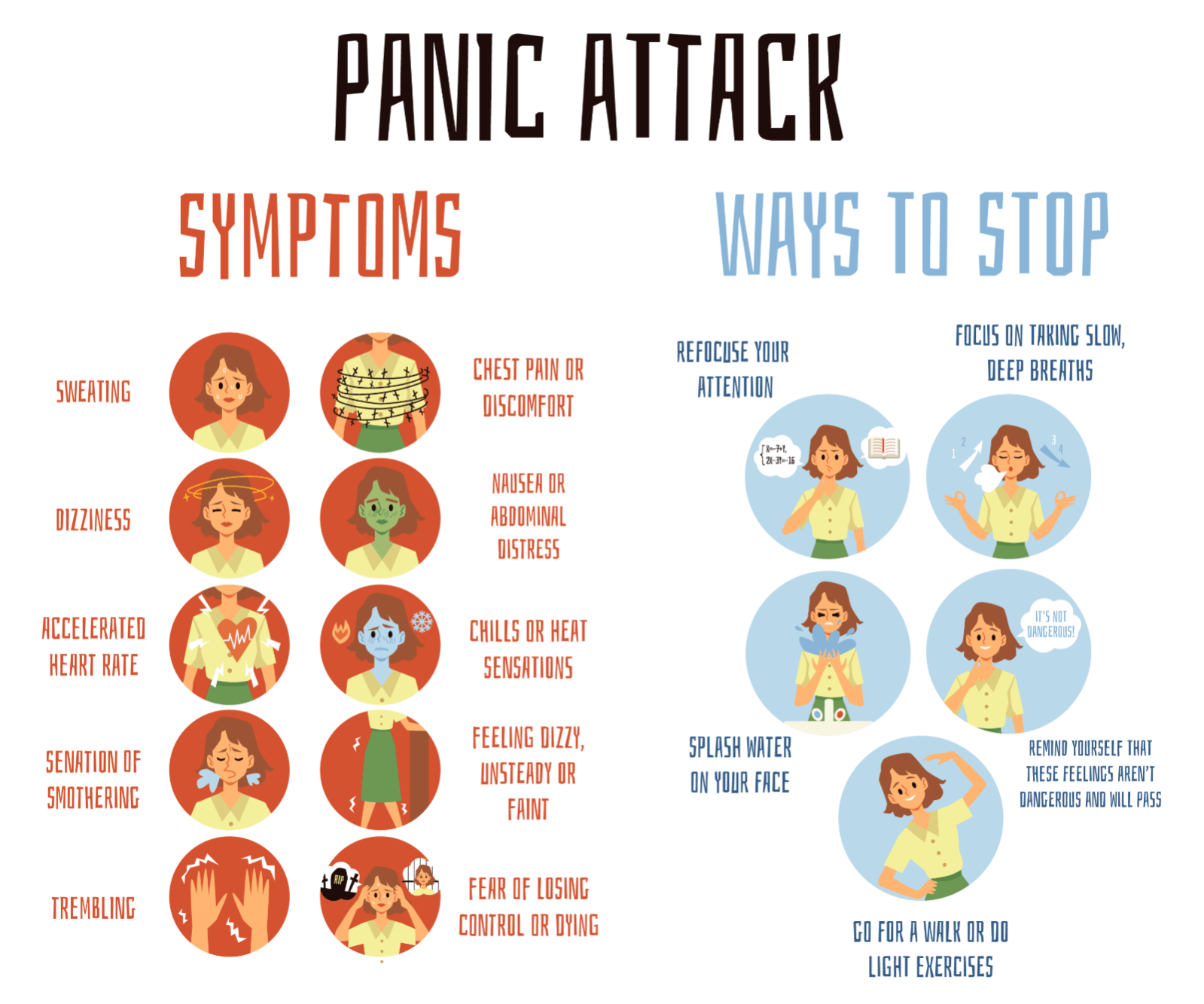
A panic attack is a sudden surge of intense fear or discomfort that peaks within minutes. It can occur unexpectedly or be triggered by certain situations.
Panic attacks are recognized as part of panic disorder and other anxiety-related conditions.
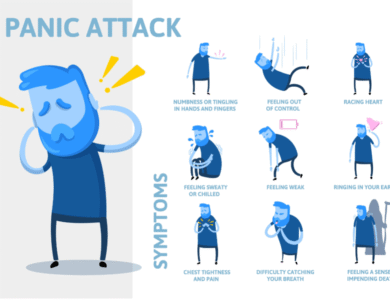
Symptoms of a Panic Attack
Panic attacks are typically more intense and dramatic than anxiety attacks.
Common symptoms include:
-
Rapid heartbeat
-
Chest pain
-
Shortness of breath
-
Dizziness
-
Nausea
-
Trembling
-
Sweating
-
Chills or hot flashes
-
Fear of losing control
-
Fear of dying
These symptoms can be so severe that many people mistake a panic attack for a heart attack and seek emergency medical care.
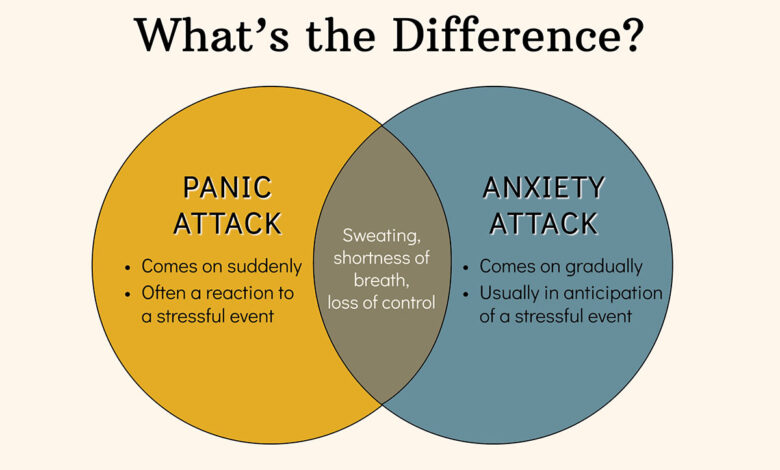
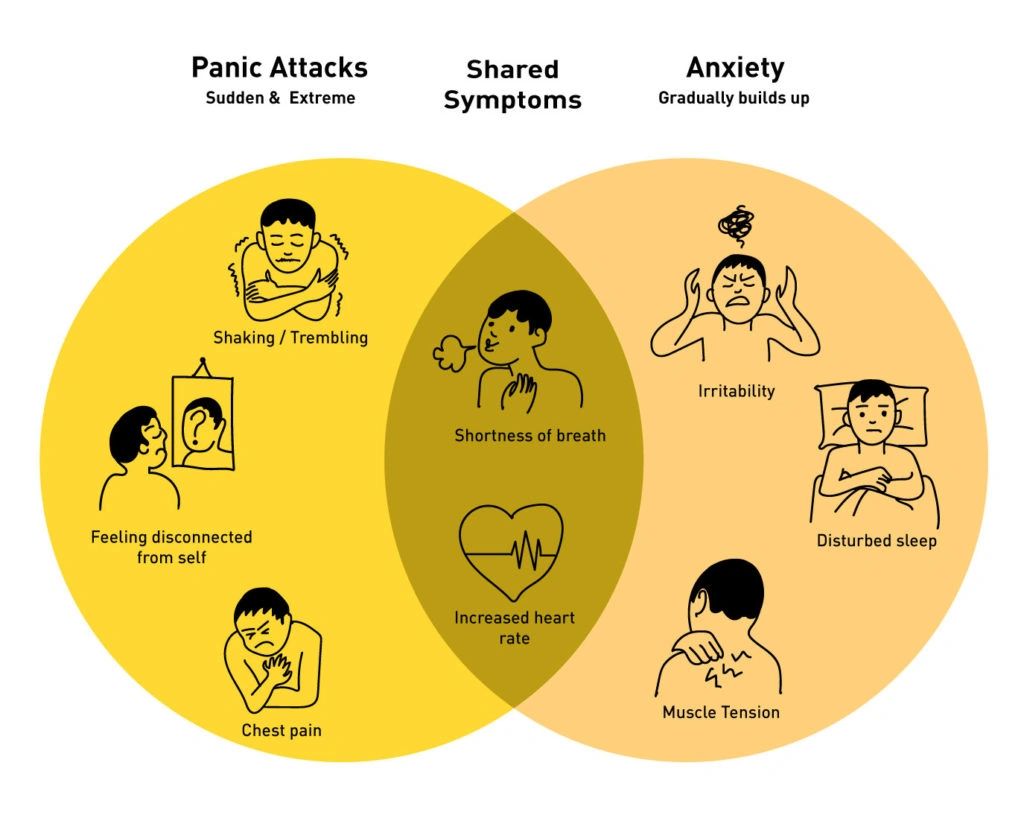
Panic Attack vs Anxiety Attack: Key Differences
Understanding panic attack vs anxiety attack becomes easier when you break it down into specific categories.
1. Onset
-
Anxiety Attack: Gradual buildup
-
Panic Attack: Sudden and unexpected
2. Intensity
-
Anxiety Attack: Moderate to severe
-
Panic Attack: Extremely intense
3. Duration
-
Anxiety Attack: Can last hours or longer
-
Panic Attack: Usually peaks within 10–20 minutes
4. Triggers
-
Anxiety Attack: Usually linked to a stressor
-
Panic Attack: May occur without warning
Side-by-Side Comparison Table
| Feature | Anxiety Attack | Panic Attack |
|---|---|---|
| Clinical Diagnosis | Not officially defined | Recognized in DSM-5 |
| Onset | Gradual | Sudden |
| Trigger | Usually identifiable | Sometimes none |
| Intensity | Moderate to high | Very intense |
| Duration | Long-lasting | Short but intense |
| Fear of dying | Rare | Common |
| Chest pain | Possible | Common |
| Control | Feels stressful | Feels overwhelming and uncontrollable |
This table makes panic attack vs anxiety attack easier to understand at a glance.
Similarities Between Panic and Anxiety Attacks
Despite their differences, both experiences share overlapping features:
-
Rapid heartbeat
-
Sweating
-
Shortness of breath
-
Fear
-
Dizziness
-
Digestive discomfort
Because of these similarities, many people confuse panic attack vs anxiety attack.
Causes and Risk Factors
Both panic and anxiety attacks can result from multiple factors.
1. Stress
Chronic stress increases the likelihood of both conditions.
2. Trauma
Past traumatic events can lead to heightened anxiety responses.
3. Genetics
A family history of anxiety disorders increases risk.
4. Brain Chemistry
Imbalances in neurotransmitters may play a role.
5. Underlying Mental Health Conditions
Conditions such as:
-
Generalized Anxiety Disorder (GAD)
-
Panic Disorder
-
Social Anxiety Disorder
When Should You Seek Professional Help?
You should consult a mental health professional if:
-
Attacks occur frequently
-
Symptoms interfere with daily life
-
You avoid places due to fear
-
You experience intense physical symptoms
Early intervention prevents symptoms from worsening.
Treatment Options
Treatment depends on the severity and frequency of symptoms.
1. Therapy
Cognitive Behavioral Therapy (CBT) is one of the most effective approaches. It helps individuals identify negative thought patterns and replace them with healthier responses.
2. Medication
Doctors may prescribe:
-
SSRIs
-
SNRIs
-
Benzodiazepines (short-term use)
Medication decisions should always be guided by a licensed professional.
3. Lifestyle Changes
-
Regular exercise
-
Balanced diet
-
Adequate sleep
-
Limiting caffeine
-
Stress management techniques
Coping Strategies for Anxiety Attacks

-
Deep breathing exercises
-
Progressive muscle relaxation
-
Journaling
-
Meditation
-
Limiting exposure to stress triggers
These techniques help manage anxiety before it escalates.
Coping Strategies for Panic Attacks
When experiencing a panic attack:
-
Focus on slow breathing
-
Remind yourself it will pass
-
Use grounding techniques (5-4-3-2-1 method)
-
Sit down and relax your body
Repeated practice can reduce fear of future attacks.
Myths About Panic and Anxiety Attacks
Myth 1: They Are the Same Thing
They are related but different experiences.
Myth 2: Panic Attacks Are Dangerous
They feel life-threatening but are rarely physically harmful.
Myth 3: You Can Just “Calm Down”
These conditions are not simply about willpower.
Can You Experience Both?
Yes. Many individuals experience both anxiety attacks and panic attacks. For example, ongoing anxiety about work may build gradually, and one day it might trigger a sudden panic attack.
This overlap makes understanding panic attack vs anxiety attack especially important for accurate treatment.
Long-Term Prevention
To reduce the frequency of both conditions:
-
Develop consistent stress management routines
-
Seek therapy if needed
-
Avoid substance abuse
-
Build strong social support networks
-
Practice mindfulness daily
Preventive care is just as important as immediate coping strategies.
Conclusion
The confusion surrounding panic attack vs anxiety attack is understandable because they share many symptoms. However, the key differences lie in intensity, onset, duration, and triggers.
An anxiety attack typically builds gradually in response to stress, while a panic attack strikes suddenly and intensely, often without warning.
Recognizing which one you’re experiencing allows you to respond more effectively and seek the right support. Mental health awareness is the first step toward healing, and understanding your body’s signals can empower you to take control.
If your symptoms are frequent or severe, don’t hesitate to reach out to a qualified healthcare provider. With proper treatment and coping strategies, both panic and anxiety attacks can be managed successfully.
Read More:-How to Stop a Panic Attack Quickly and Calmly Today