Introduction
Mental health conversations have grown significantly over the past decade, yet one area still needs more attention—men’s emotional and psychological well-being. Every year, men’s mental health month serves as a reminder that men face unique challenges that often go unnoticed or unspoken.
For generations, men have been taught to suppress emotions, avoid vulnerability, and “stay strong” no matter what. While resilience is valuable, emotional suppression can lead to serious mental health consequences. This article explores the common struggles men face, why awareness matters, and how society can offer meaningful support.
What Is Men’s Mental Health Month?

Men’s mental health month is observed in June in many countries to raise awareness about the mental health challenges men experience. The campaign encourages open discussions, reduces stigma, and promotes early intervention.
Purpose of the Awareness Month
-
Encourage men to speak openly about emotions
-
Highlight warning signs of mental health struggles
-
Promote therapy and support systems
-
Reduce suicide rates among men
-
Challenge harmful stereotypes
This month is not just symbolic—it’s a movement toward healthier conversations and long-term change.
Why Men’s Mental Health Is Often Overlooked
Despite increasing awareness, men still hesitate to seek help. Understanding why is key.
1. The “Be Strong” Culture
From childhood, boys often hear phrases like:
-
“Don’t cry.”
-
“Man up.”
-
“Be tough.”
Over time, these messages teach emotional suppression. During men’s mental health month, breaking this cultural conditioning becomes a central focus.
2. Fear of Appearing Weak
Many men worry that admitting emotional struggles will make them look incapable at work or in relationships. This fear delays help-seeking behavior.
3. Limited Emotional Vocabulary
Some men genuinely struggle to identify or express emotions because they were never encouraged to do so.
Common Mental Health Struggles Men Face
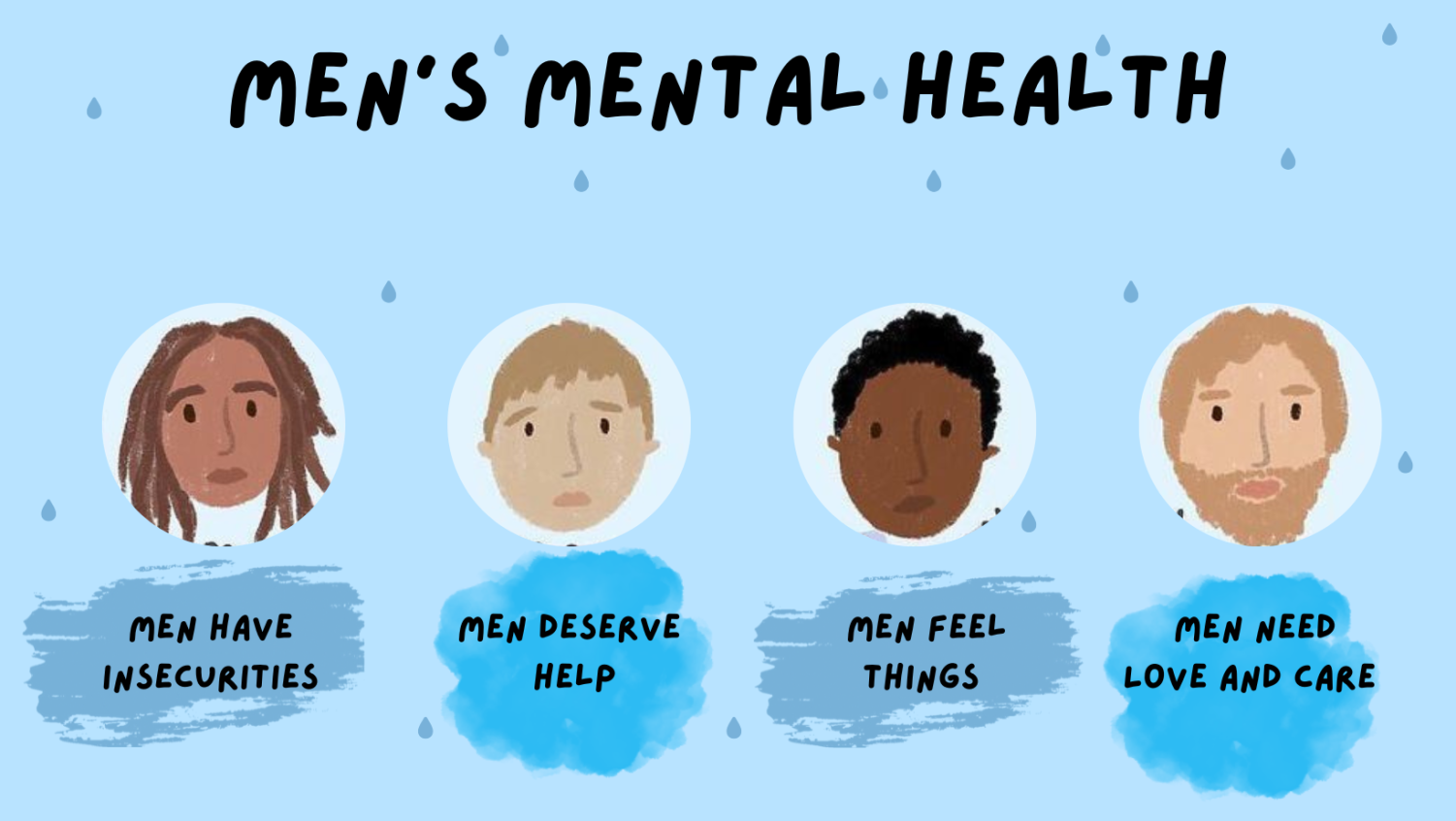
Men experience mental health issues just like women, but symptoms may appear differently.
1. Depression in Men
Depression in men doesn’t always look like sadness. Instead, it may show up as:
-
Irritability
-
Anger
-
Risk-taking behavior
-
Emotional numbness
-
Withdrawal
Many cases go undiagnosed because men may avoid discussing symptoms.
2. Anxiety and Chronic Stress
Work pressure, financial responsibility, and family expectations can create long-term stress.
Common signs include:
-
Muscle tension
-
Sleep problems
-
Restlessness
-
Overworking
-
Difficulty concentrating
Recognizing these patterns during men’s mental health month can help families encourage early support.
3. Substance Abuse
Men are statistically more likely to use alcohol or drugs as coping mechanisms. Substance abuse often masks deeper emotional pain.
4. Work-Related Pressure
Society often positions men as primary providers. Job loss, financial instability, or career stagnation can deeply affect self-worth.
5. Relationship and Family Responsibilities
Men may struggle silently with:
-
Marriage conflicts
-
Parenting stress
-
Divorce
-
Custody issues
Without open communication, these stressors can lead to isolation.
6. Loneliness and Social Isolation
Adult men often have fewer close friendships compared to women. As responsibilities increase, social circles shrink, increasing emotional isolation.
Signs of Mental Health Issues in Men
Recognizing warning signs early can save lives.
Emotional Signs
-
Mood swings
-
Increased anger
-
Feeling hopeless
-
Low motivation
Behavioral Signs
-
Withdrawing from loved ones
-
Risky or impulsive actions
-
Increased substance use
Physical Symptoms
-
Fatigue
-
Headaches
-
Digestive issues
-
Sleep disturbances
The Link Between Men’s Mental Health and Suicide
One of the most serious reasons men’s mental health month is important is suicide prevention.
Men are statistically at higher risk of suicide in many countries. Contributing factors include:
-
Emotional suppression
-
Lack of help-seeking
-
Access to lethal means
-
Social isolation
Warning Signs to Watch For
-
Talking about feeling hopeless
-
Giving away possessions
-
Sudden calmness after distress
-
Saying goodbye unexpectedly
Immediate support can make a difference.
Barriers Preventing Men from Seeking Help

Even when struggling, many men hesitate to reach out.
1. Stigma Around Therapy
Some believe therapy is only for severe cases. In reality, counseling benefits anyone facing stress or emotional challenges.
2. Cultural Expectations
In some cultures, discussing emotions publicly is discouraged.
3. Lack of Accessibility
Financial constraints or limited mental health services also prevent help-seeking.
How to Support Men During Men’s Mental Health Month
Support starts with conversation.
Encourage Open Dialogue
Ask simple, non-judgmental questions:
-
“How have you been feeling lately?”
-
“Is there anything stressing you out?”
Normalize Therapy
Talking about therapy openly reduces stigma.
Create Safe Spaces
At home and at work, encourage emotional honesty without criticism.
Self-Care Strategies for Men
Promoting self-care during men’s mental health month empowers men to prioritize their well-being.
1. Physical Activity
Exercise reduces stress hormones and boosts mood-enhancing endorphins.
2. Mindfulness Practices
Breathing exercises, meditation, and journaling help process emotions.
3. Social Connections
Regular conversations with trusted friends reduce loneliness.
4. Healthy Sleep Routine
Quality sleep improves emotional regulation.
Practical Self-Care Table
| Area | Strategy | Benefit |
|---|---|---|
| Physical Health | Exercise 30 mins daily | Reduces stress hormones |
| Emotional Health | Journaling | Improves self-awareness |
| Social Life | Weekly meet-up with friends | Reduces isolation |
| Work-Life Balance | Set boundaries | Prevents burnout |
| Mental Health | Seek therapy | Professional support |
Workplace Role in Supporting Men

Employers can play a major role.
Offer Mental Health Programs
Employee assistance programs provide confidential support.
Promote Work-Life Balance
Encouraging time off reduces burnout.
Leadership Example
When leaders openly discuss mental health, stigma decreases.
Quick Awareness
5 Ways to Support Men This Month:
-
Start open conversations
-
Share mental health resources
-
Encourage therapy
-
Check in regularly
-
Break stereotypes about masculinity
Frequently Asked Questions
Why is men’s mental health month important?
It highlights mental health struggles specific to men and encourages support and prevention.
How can men improve mental health?
Through therapy, exercise, open conversations, stress management, and strong support networks.
What are early warning signs?
Mood changes, withdrawal, anger, sleep disturbances, and increased substance use.
Breaking the Stigma
Stigma is one of the biggest barriers in mental health. Many men feel they must handle problems alone. However, strength does not mean silence. Real strength lies in seeking help when needed.
Men’s mental health month reminds society that vulnerability is not weakness—it’s courage.
Long-Term Change Beyond Awareness Month
While June is dedicated to awareness, support must continue year-round.
Long-term solutions include:
-
Mental health education in schools
-
Workplace policies supporting emotional well-being
-
Media campaigns challenging stereotypes
-
Community support groups
Conclusion
Men face emotional pressures that are often invisible. Financial responsibility, societal expectations, relationship challenges, and internalized beliefs can create silent struggles.
Observing men’s mental health month is not just about awareness—it’s about action. Encouraging open conversations, reducing stigma, and providing accessible support can save lives.
Mental health matters for everyone. By recognizing common struggles men face and creating supportive environments, we move toward a healthier and more compassionate society.
No one should suffer in silence.
Read More:-How Ellie Mental Health Is Changing Therapy Access in 2026