Introduction
Bringing a baby into the world is often described as one of life’s happiest moments. However, for many new mothers, it can also be overwhelming, frightening, and emotionally exhausting. While people talk openly about postpartum depression, anxiety after childbirth is just as common—but far less discussed.
Understanding postpartum anxiety symptoms is essential because they can affect both emotional well-being and physical health. In this comprehensive guide, we will explore the emotional and physical signs, causes, risk factors, treatment options, and practical coping strategies for managing postpartum anxiety.
What Is Postpartum Anxiety?
Postpartum anxiety is a mental health condition that develops after childbirth and involves excessive worry, fear, and physical stress responses. It may occur on its own or alongside postpartum depression.
According to guidelines recognized by the American Psychiatric Association and outlined in the Diagnostic and Statistical Manual of Mental Disorders, anxiety disorders can emerge during significant life transitions—including pregnancy and the postpartum period.
Unlike typical new-parent worries, postpartum anxiety is persistent, intense, and difficult to control.
What Are Postpartum Anxiety Symptoms?
Postpartum anxiety symptoms include constant worry about the baby’s safety, racing thoughts, irritability, rapid heartbeat, muscle tension, dizziness, and difficulty sleeping—even when the baby is asleep.
How Common Is Postpartum Anxiety?

Research suggests that postpartum anxiety affects a significant percentage of new mothers, sometimes even more frequently than postpartum depression. Despite this, many women do not seek help because they assume their anxiety is simply part of being a new parent.
Recognizing postpartum anxiety symptoms early can prevent long-term emotional distress.
Emotional Postpartum Anxiety Symptoms
Emotional signs are often the first indicators of postpartum anxiety. These feelings may feel overwhelming and difficult to explain.
1. Constant Worry About the Baby’s Safety
Many mothers worry about their baby—but anxiety goes beyond normal concern. You may repeatedly check if your baby is breathing or imagine worst-case scenarios.
2. Racing or Intrusive Thoughts
Unwanted thoughts may pop into your mind suddenly, such as fears of accidents or illness. These thoughts can feel disturbing and hard to stop.
3. Feeling On Edge
You may feel tense, restless, or unable to relax—even during calm moments.
4. Irritability
Small frustrations can feel magnified. You may snap at loved ones or feel easily overwhelmed.
5. Difficulty Concentrating
Mental fog and persistent worry make it hard to focus on simple tasks.
6. Fear of Something Bad Happening
A constant sense of doom may follow you throughout the day.
These emotional postpartum anxiety symptoms can deeply affect your daily functioning and relationships.
Physical Postpartum Anxiety Symptoms
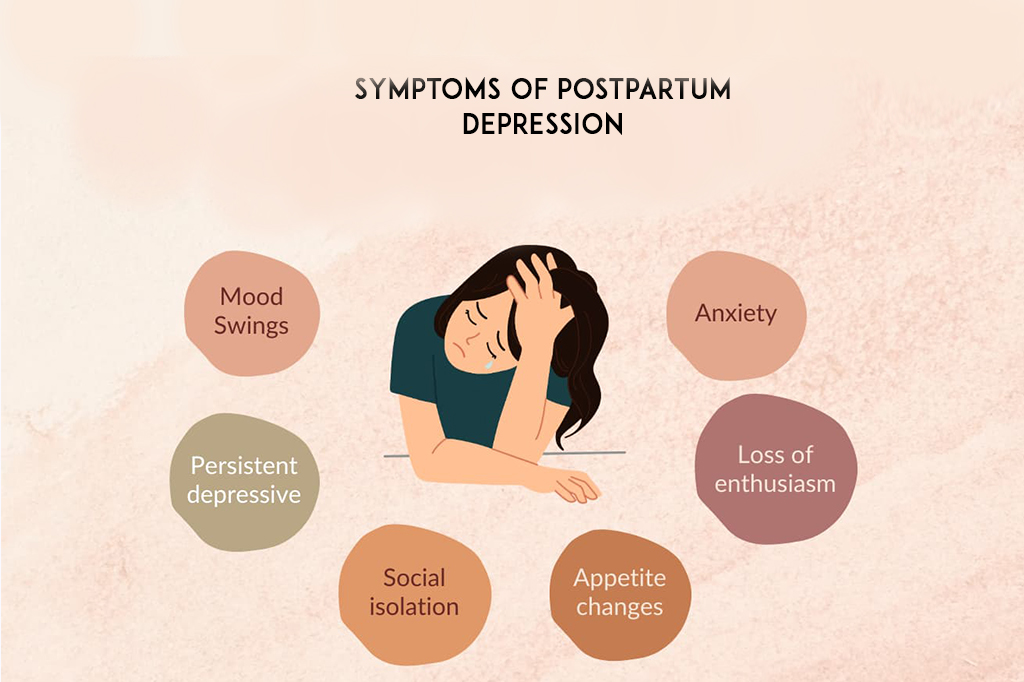
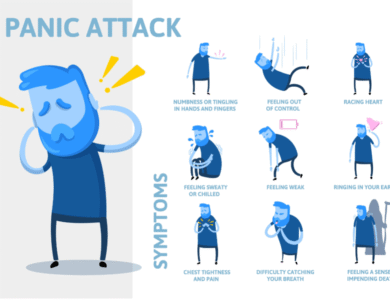
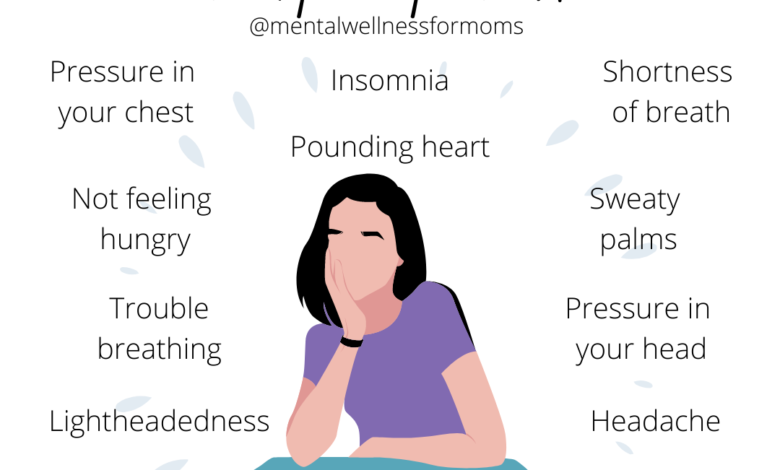
Anxiety doesn’t just affect your mind—it triggers your body’s stress response.
1. Rapid Heartbeat
You may feel your heart racing without physical exertion.
2. Shortness of Breath
Breathing may feel shallow or tight, especially during anxious moments.
3. Dizziness or Lightheadedness
You may feel faint or unsteady.
4. Muscle Tension
Neck, shoulder, and back tightness are common.
5. Digestive Issues
Nausea, upset stomach, or appetite changes can occur.
6. Sweating and Trembling
Physical shakiness may accompany panic episodes.
7. Sleep Disturbances
Even when your baby is sleeping, you may struggle to rest.
Table: Physical vs Emotional Postpartum Anxiety Symptoms
| Emotional Symptoms | Physical Symptoms |
|---|---|
| Constant worry | Rapid heartbeat |
| Racing thoughts | Shortness of breath |
| Irritability | Muscle tension |
| Feeling overwhelmed | Dizziness |
| Intrusive fears | Digestive problems |
| Difficulty concentrating | Sleep disturbances |
Many mothers experience both categories at the same time.
Postpartum Anxiety Symptoms at Night
Nighttime can intensify anxiety.
-
Increased fear when the house is quiet
-
Checking on the baby repeatedly
-
Insomnia despite exhaustion
-
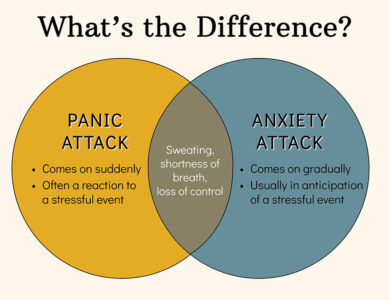
Panic attacks after dark
Hormonal fluctuations and fatigue can make postpartum anxiety symptoms feel stronger at night.
Postpartum Anxiety vs Baby Blues
It’s important to distinguish anxiety from normal emotional shifts.
| Feature | Baby Blues | Postpartum Anxiety |
|---|---|---|
| Duration | Few days to 2 weeks | Weeks or months |
| Severity | Mild mood swings | Intense fear and worry |
| Functioning | Mostly intact | Can feel overwhelming |
| Physical symptoms | Minimal | Strong physical reactions |
If symptoms persist beyond two weeks, professional support may be needed.
Causes of Postpartum Anxiety
There is no single cause, but several factors contribute.
Hormonal Changes
After childbirth, estrogen and progesterone levels drop dramatically, impacting mood regulation.
Sleep Deprivation
Interrupted sleep heightens stress responses.
Previous Anxiety History
Women with past anxiety disorders are at higher risk.
Traumatic Birth Experience
Complications during delivery can increase fear and stress.
Social Pressure
Exposure to idealized parenting content on platforms like Instagram may increase comparison and self-doubt.
Understanding these triggers can help manage postpartum anxiety symptoms more effectively.
When to Seek Professional Help
Seek medical support if:
-
Anxiety lasts more than two weeks
-
Panic attacks occur frequently
-
You avoid caring for your baby due to fear
-
Thoughts of self-harm arise
Mental health professionals use structured assessments to diagnose anxiety disorders and recommend appropriate treatment.
Treatment Options
The good news is that postpartum anxiety is treatable.
1. Therapy
Cognitive Behavioral Therapy (CBT) is highly effective. It helps identify negative thought patterns and replace them with balanced perspectives.
2. Medication
Some anti-anxiety medications are considered safe during breastfeeding. A healthcare provider can guide you.
3. Lifestyle Changes
-
Regular light exercise
-
Balanced nutrition
-
Structured sleep schedule
-
Limiting caffeine
4. Support Groups
Connecting with other mothers reduces isolation and shame.
Early treatment of postpartum anxiety symptoms leads to faster recovery.
Practical Coping Strategies at Home
You can begin managing anxiety with small daily practices.
Deep Breathing Techniques
Slow, controlled breathing calms the nervous system.
Grounding Exercises
Focus on physical sensations to stay present.
Ask for Help
Accepting help with childcare or chores reduces stress.
Limit Online Health Searches
Constant Googling can increase worry.
Create a Routine
Predictability lowers anxiety levels.
These simple steps can significantly reduce postpartum anxiety symptoms over time.
Supporting a Loved One with Postpartum Anxiety
Family members can play a vital role.
-
Listen without judgment
-
Avoid minimizing fears
-
Offer practical support
-
Encourage professional care
Validation helps mothers feel understood rather than dismissed.
Long-Term Impact if Ignored
If left untreated, postpartum anxiety may lead to:
-
Chronic anxiety disorders
-
Postpartum depression
-
Relationship strain
-
Reduced bonding confidence
Recognizing postpartum anxiety symptoms early protects both mother and baby.
Frequently Asked Questions
How long do postpartum anxiety symptoms last?
They may last weeks or months without treatment, but early support improves outcomes.
Can postpartum anxiety go away on its own?
Mild cases may improve, but persistent symptoms require professional care.
Is postpartum anxiety dangerous?
It can significantly impact quality of life, but with treatment, recovery is highly likely.
Can fathers experience postpartum anxiety?
Yes. Partners can also experience anxiety after childbirth due to stress and life changes.
Conclusion
Motherhood is a life-changing experience—but it does not have to be endured in silence. Persistent fear, racing thoughts, and physical tension are not simply “part of being a mom.”
Understanding postpartum anxiety symptoms empowers women to seek help without guilt. Emotional and physical signs deserve attention and care.
If you or someone you love is experiencing ongoing worry, panic, or distress after childbirth, professional support can make a profound difference. Healing is possible—and asking for help is a sign of strength, not weakness.
Read More:-How to Stop Overthinking at Night and Sleep Better Fast