Good vision plays an important role in our daily life. From reading and working on screens to driving and enjoying nature, our eyes are always active. However, many eye problems develop slowly and do not show clear symptoms in the early stages. This is why regular eye care is essential. A vision test is not only about checking how well you can see letters on a chart, but it is also a powerful way to protect your long-term eye health. With timely testing, many serious eye conditions can be detected early and managed effectively.
Understanding What a Vision Test Really Is
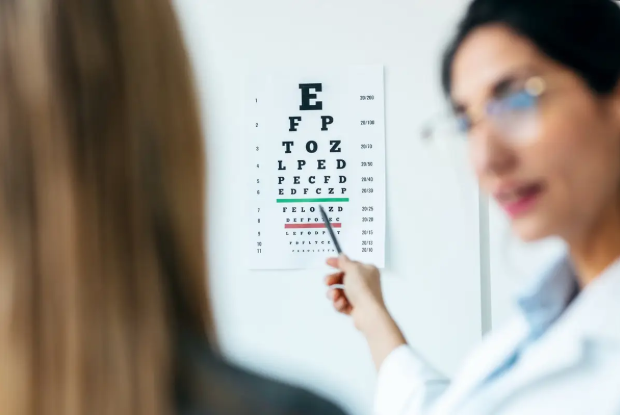
A vision test is a professional eye examination that checks how well your eyes work together and how clearly you can see. It evaluates your ability to see objects at different distances and helps identify changes in your eyesight. During the test, an eye care professional may also examine the overall health of your eyes, including the retina, optic nerve, and eye muscles. This makes the test an important tool for both vision correction and early detection of eye diseases.
Detecting Eye Problems at an Early Stage
Many eye conditions develop quietly without causing pain or noticeable vision loss at first. Problems such as glaucoma, macular degeneration, and diabetic eye disease can damage the eyes before you realize anything is wrong. A routine vision test can help identify warning signs early. Early detection allows treatment to begin before the condition becomes serious, which can prevent permanent vision loss and protect your quality of life.
Monitoring Changes in Vision Over Time
Our eyesight can change due to age, lifestyle, or health conditions. Regular vision testing helps track these changes over time. Even small shifts in vision can affect daily activities like reading or using digital devices. By comparing results from previous tests, eye care professionals can adjust prescriptions and recommend appropriate care. This ongoing monitoring ensures that your eyes remain comfortable and functional as your needs change.
Supporting Overall Eye Health
A vision test does more than measure eyesight. It also helps assess the overall health of your eyes. Eye examinations can reveal signs of eye strain, dryness, or infection. In some cases, they can even indicate broader health issues such as high blood pressure or diabetes. By identifying these signs early, you can take steps to improve both eye health and general well-being.
Helping Children and Adults Maintain Healthy Vision
For children, clear vision is essential for learning and development. Undetected vision problems can affect reading, concentration, and academic performance. Regular vision tests help ensure that children’s eyes are developing properly. For adults, especially those who work long hours on screens, vision testing can help manage eye strain and prevent discomfort. Early care at every age supports long-term eye health.
Encouraging Preventive Eye Care
Preventive care is one of the biggest benefits of regular vision testing. Instead of waiting for vision problems to appear, routine tests encourage proactive eye care. Eye care professionals can provide guidance on proper lighting, screen use, and lifestyle habits that protect your eyes. This preventive approach helps reduce the risk of future eye problems and supports healthy vision for years to come.
Conclusion
Taking care of your eyes should be a priority at every stage of life. A vision test is a simple yet effective way to detect early eye problems, monitor changes in eyesight, and maintain overall eye health. By scheduling regular tests, you give yourself the best chance to protect your vision and prevent serious issues before they affect your daily life. Healthy eyes contribute to a better quality of life, making routine vision testing an important part of your healthcare routine.